



Choosing the Right Glass Drill Bit for Different Types of Glass
Drilling holes in glass requires precision, patience, and the right tools to achieve clean and safe results. Glass drill bits are specially designed to penetrate hard and brittle materials without causing cracks or breakage. However, not all types of glass are suitable for drilling, and understanding the differences among common glass types is essential for successful drilling. This article explains which types of glass can be drilled and how to handle each type safely.
Drilling Standard Glass
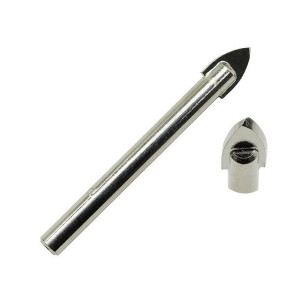
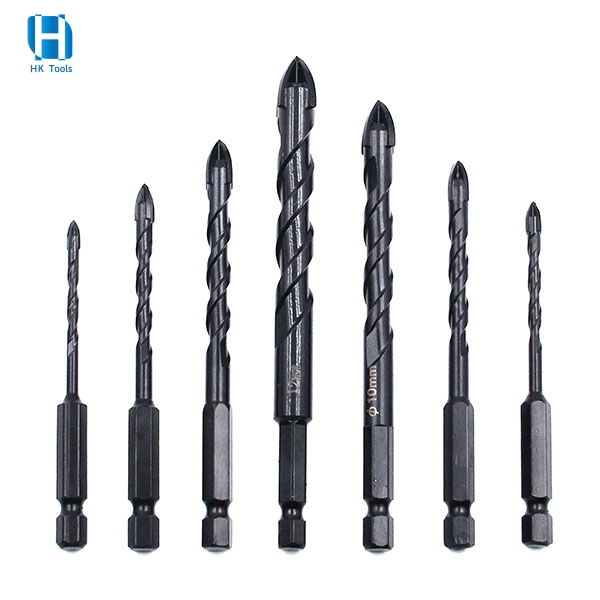
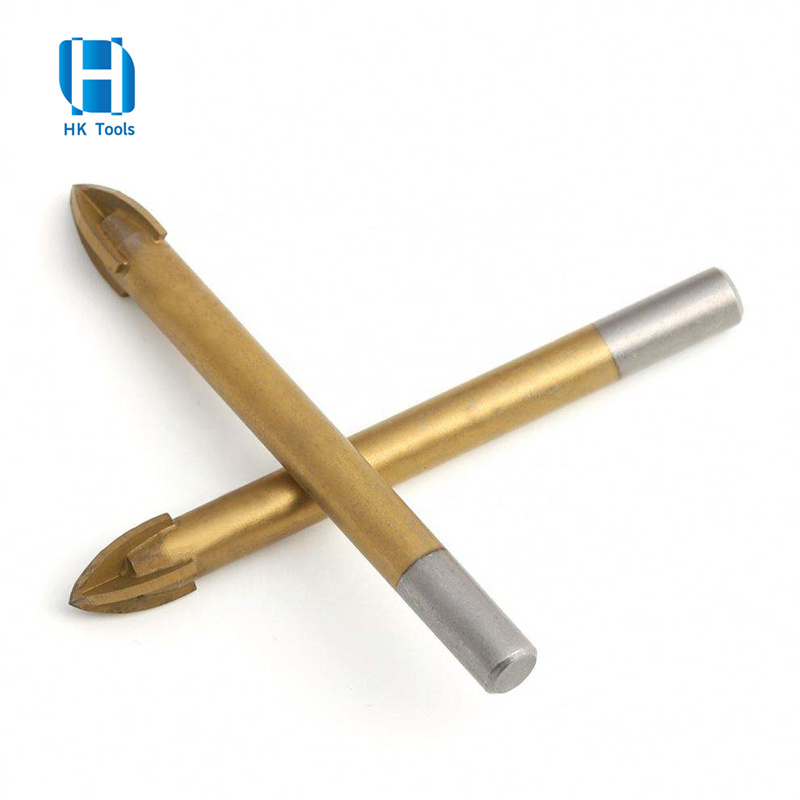
Standard glass, commonly known as annealed glass, is widely used in windows, picture frames, and glass shelves. It has a relatively uniform structure and low internal stress, which makes it easier to drill. With a proper glass drill bit featuring a diamond or carbide tip, standard glass can be drilled effectively using correct operating techniques.
Using water or another coolant during drilling is essential to prevent overheating and reduce the risk of cracking. Applying light, steady pressure at low rotational speed helps ensure clean holes without chipping or breakage.
Challenges of Drilling Tempered (Safety) Glass
Tempered or safety glass undergoes a heat treatment process that creates high internal stress, making it much stronger than standard glass. While this improves impact resistance, it also makes drilling almost impossible. Once drilling begins, the entire glass panel will typically shatter into small fragments.
For this reason, drilling tempered glass is generally not recommended. If holes are required, the glass should be cut and drilled before the tempering process to maintain safety and structural integrity.
Drilling Laminated Glass
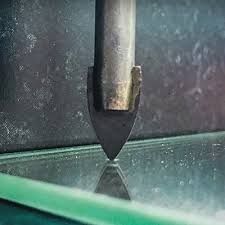
Laminated glass consists of two or more layers of glass bonded together with a plastic interlayer. It is commonly used in automotive windshields and certain architectural applications for added safety. Drilling laminated glass requires a sharp glass drill bit and careful control.
The drill bit must penetrate the top glass layer without damaging the interlayer or causing delamination. Low speed, steady pressure, and continuous lubrication are critical. After drilling through the first glass layer, extra care is needed when passing through the interlayer to keep the hole clean and functional.
Tips for Safe Glass Drilling
Regardless of the glass type, several practices can improve drilling success. Always support the glass on a stable, flat surface to prevent movement during drilling. Applying masking tape over the drilling area helps reduce chipping. Continuous water lubrication or cooling minimizes heat buildup and extends drill bit life. Most importantly, wear safety goggles and gloves to protect against glass fragments and debris.
Conclusion
With the right glass drill bit and proper techniques, standard glass and laminated glass can be drilled effectively. Standard glass is relatively easy to drill, while laminated glass requires more careful handling to avoid delamination. Tempered or safety glass is generally not suitable for drilling and should be processed before tempering if holes are needed. Understanding the characteristics of each glass type and following recommended drilling practices ensures clean, precise, and safe drilling results for any project.
Post time: Dec-26-2025


