



Diamond Blade Segment Height: What It Is and Why It Matters for Your Cuts
When selecting a diamond blade, most buyers focus on diameter or arbor size to ensure compatibility with their saw. However, segment height is another specification that affects blade performance and service life. Understanding this parameter can help you choose a blade suited to your specific application.
What Is Diamond Blade Segment Height?
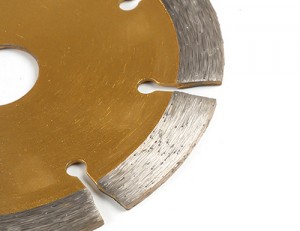
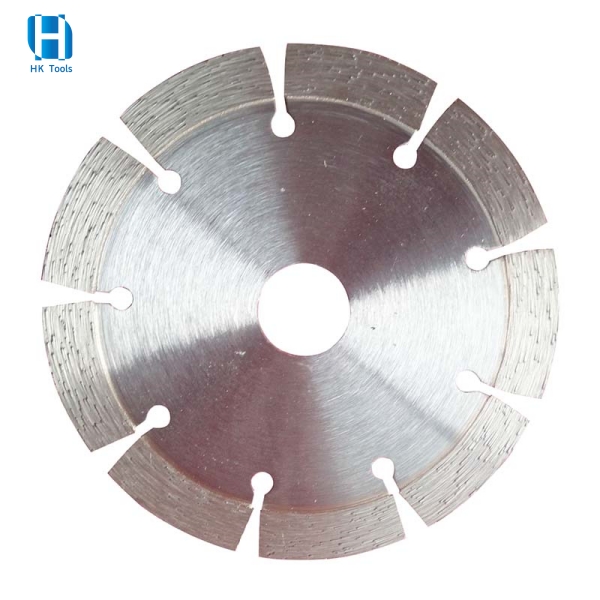
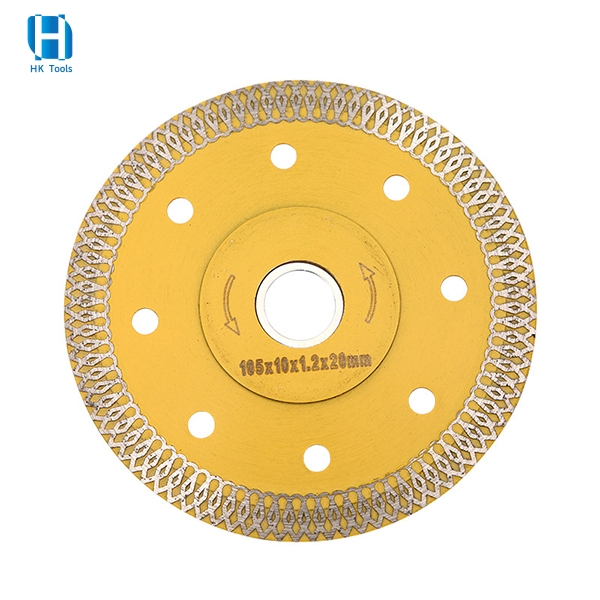
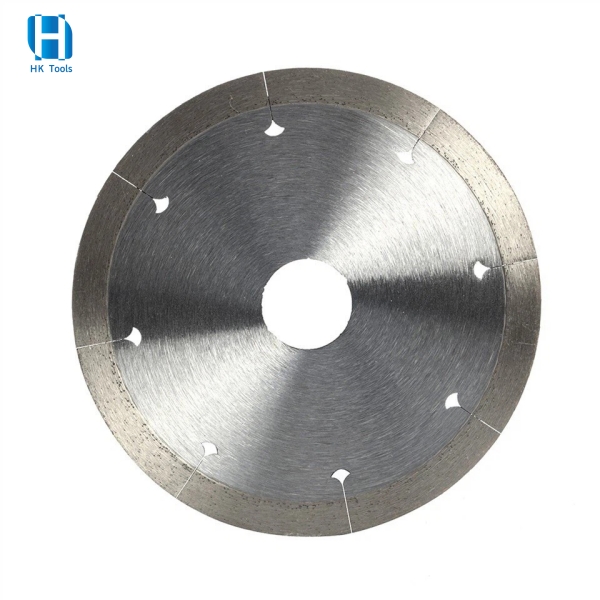
A diamond blade consists of a steel core with diamond-impregnated segments attached to its outer edge. Segment height refers to the vertical measurement of these segments—from the top of the steel core to the top of the diamond material. It is typically expressed in millimeters.
In simple terms, segment height represents the amount of usable cutting material on the blade.
Why Segment Height Matters
Service Life: Segment height directly influences how long a blade can remain in service. A taller segment contains more diamond material than a shorter segment, meaning it will generally last longer before requiring replacement.
Cost Efficiency: While blades with taller segments typically have a higher initial purchase price, they may offer lower cost per cut over their full service life. For professional users, evaluating cost on a per-cut basis rather than upfront price provides a more accurate picture of value.
Performance and Protection: A blade with adequate segment height maintains more consistent cutting performance as it wears. Additionally, the segments keep the steel core from contacting the material being cut—when segments wear too low, core contact can cause friction, overheating, and potential blade damage.
How Segment Height Affects Different Applications
Different cutting tasks typically call for different segment heights:
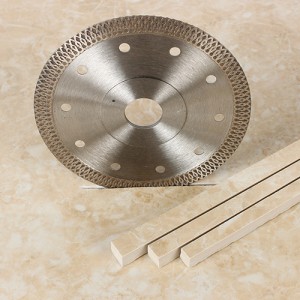
▪Tile and Ceramic: Lower segment heights provide adequate material while maintaining precision for clean cuts.
▪General Masonry and Block: Medium segment heights offer a balance suitable for mixed materials.
▪Concrete, Asphalt, and Stone: Taller segments provide more wear material for demanding applications and, in wet cutting, allow space for water to flow and remove slurry.
General Selection Guidelines
While requirements vary by material and equipment, segment heights typically range from 5mm to 12mm or higher. The following ranges offer a starting point:
▪Light-duty / Intermittent use: 5–7mm
▪General-purpose / Mixed use: 8–10mm
▪Heavy-duty / Extended use: 10–12mm or higher
It is worth noting that while various heights are technically possible, the most commonly produced sizes for sintered diamond blades are 7mm and 10mm. These two heights cover the vast majority of general-purpose and professional cutting applications. Other heights may require custom tooling and are typically produced for specific volume orders.
Summary
Segment height affects how long a diamond blade lasts and how consistently it performs. When selecting a blade, considering this specification alongside diameter and arbor size helps ensure the tool matches the demands of the job.
Post time: Mar-20-2026


