



DIN 333 Form A vs. Form B Center Drill Bits: Which One Should You Choose?
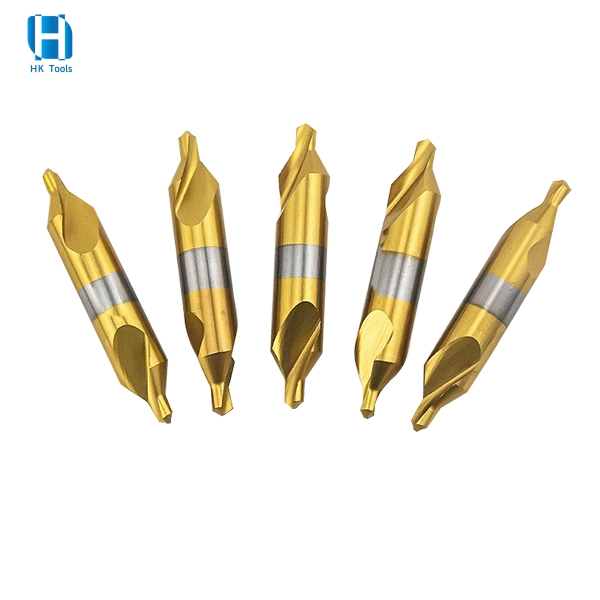
When selecting a center drill bit, understanding the distinction between DIN 333 Form A and Form B is crucial for achieving the right result. While they look similar at first glance, they are designed for different applications and produce different types of center holes .
The most fundamental difference lies in the presence of a protective chamfer. Form A creates a simple 60° hole, while Form B adds a secondary 120° chamfer to protect the precision seating surface
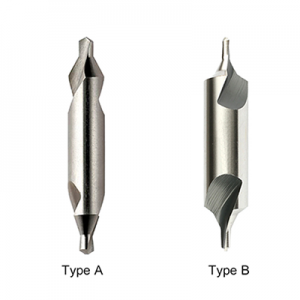
Form A: The Standard Center Drill Bit
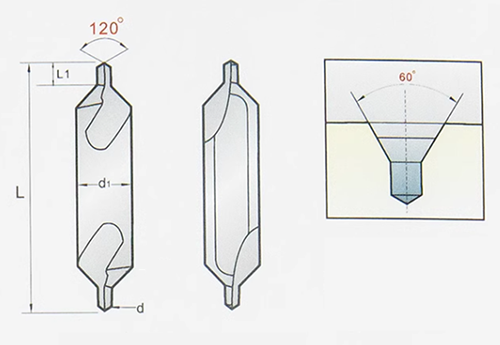
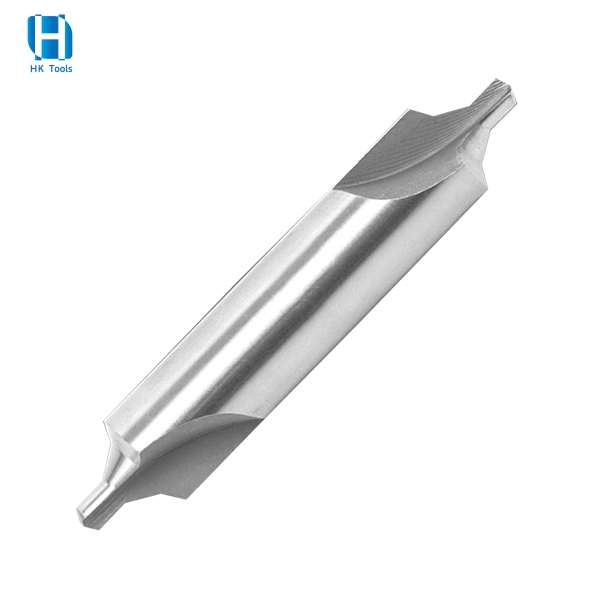
DIN 333-A is the most common type of center drill bit. It is designed to create a standard 60° center hole without any protective features .
▪ Geometry: It features a single 60° countersink angle. The transition between the pilot drill and the countersink is a sharp corner .
▪ Primary Use: Form A is used for general-purpose centering and for creating center holes on workpieces that will be machined in a single setup between centers and then finished. Because there is no protective chamfer, the precision 60° seat is exposed and can be easily damaged if the part is handled or removed and re-installed
Form B: The "Bell" Type with Protection
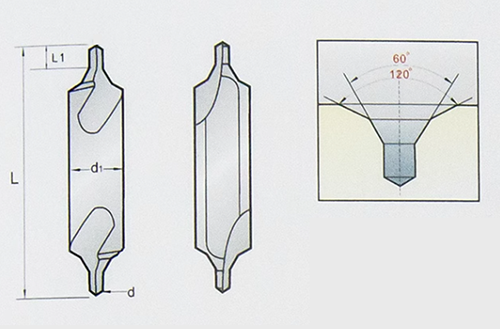
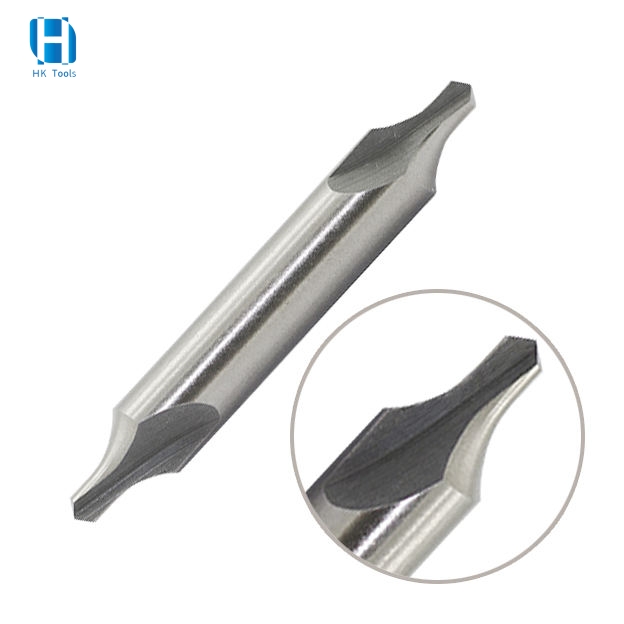
DIN 333-B, often called the "bell" type, is designed for higher precision and repeatability. It creates a center hole with a built-in protective feature.
▪ Geometry: Form B drill bits have a dual-angle design. The tip drills a standard 60° angle, but the outer portion of the tool features a wider 120° chamfer. This creates a recessed 60° seat that is protected by the 120° outer rim.
▪ Primary Use: This type is essential for workpieces that need to be machined between centers in multiple operations. The 120° protective chamfer ensures that the critical 60° seating surface is not damaged by chips, handling, or when the part is removed and later re-mounted for a secondary operation. This guarantees that the part runs true every time it is placed back on the lathe.
Which One Should You Choose?
•Choose Form A if you are creating a starting hole for a twist drill (spot drilling) or if your workpiece will be turned between centers in a single session and then removed for good .
•Choose Form B for any part that requires high precision and will be taken off the lathe and put back on for a second machining operation. The protective 120° chamfer is essential for maintaining accuracy in multi-stage manufacturing
Post time: Mar-06-2026


