



How to Choose the Right Annular Cutter: Size, Depth, Shank & Material
What is an annular cutter?
An annular cutter is a hollow drilling tool that removes only the outer ring of material, leaving a solid slug in the center. This design differs from a traditional twist drill, which grinds away the entire hole. Annular cutters offer faster drilling, better accuracy, and longer tool life compared to twist drills.
Product range
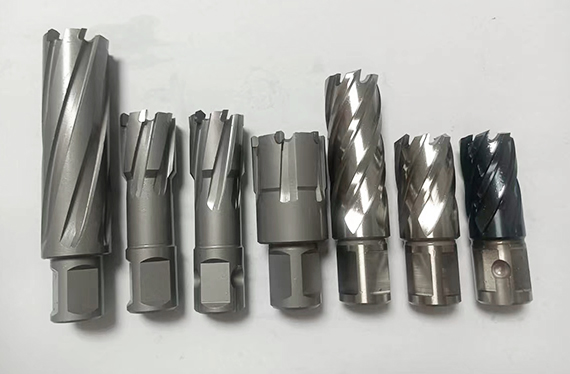
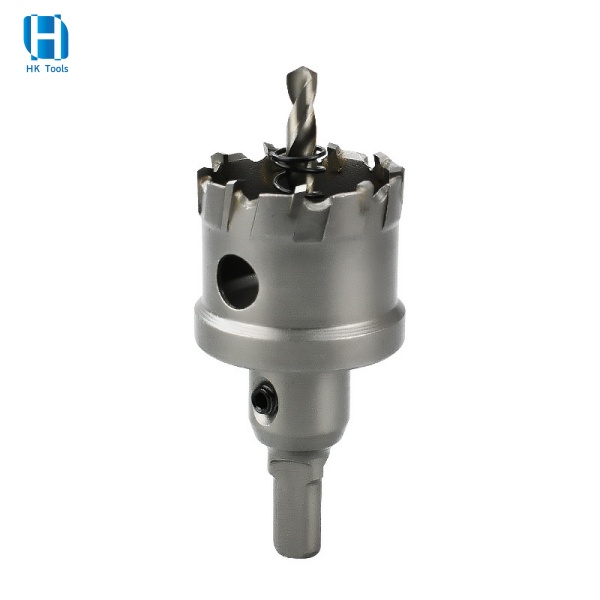
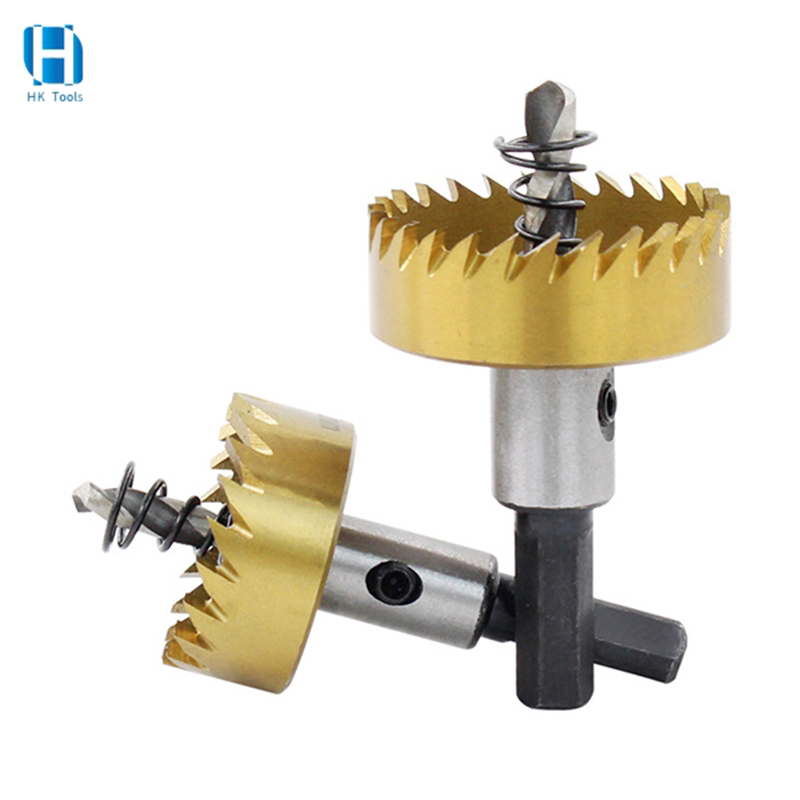
We supply two main types of annular cutters: HSS (M2 and M35) and TCT (tungsten carbide tipped).
HSS cutters (M2 / M35) are available in diameters from 12mm to 60mm, with cutting depths of 30mm, 55mm, 75mm, and 100mm.
TCT cutters are available in diameters from 12mm to 100mm, with cutting depths of 35mm, 50mm, 75mm, and 100mm. Larger TCT diameters are available upon request.
Cutting depth selection
Cutting depth refers to the maximum material thickness the cutter can penetrate in a single pass. The basic requirement is that the cutting depth must exceed the workpiece thickness.
For example, when drilling 30mm thick steel plate, a 30mm depth cutter is not recommended as it leaves no margin. A 55mm HSS cutter or a 50mm TCT cutter provides sufficient clearance for chip evacuation, resharpening allowance, and surface irregularities such as rust or mill scale.
Shank type and machine compatibility
The shank must match the magnetic drilling machine. The most common shank type is Weldon (2-flat), available in 3/4″ for standard cutters and 1‑1/4″ for larger TCT cutters above 60mm. Another common type is the 3‑groove (Universal) shank, frequently found on European drills such as BDS, Euroboor, and Ruko. Users should verify their drill spindle type before ordering.
Material selection: HSS or TCT
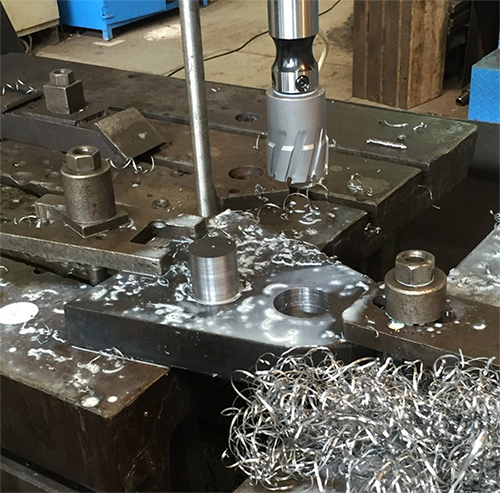
The choice between HSS and TCT depends primarily on the workpiece material.
▪Mild steel, carbon steel, general fabrication – HSS (M2 or M35) is a cost‑effective and durable option.
▪Stainless steel, high‑strength steel, abrasive or tough alloys – TCT is recommended, as the carbide tips offer better heat resistance and wear performance.
For users who work with both material types, maintaining a separate set of HSS cutters for routine jobs and TCT cutters for demanding applications is a practical approach.
Summary
When selecting an annular cutter, the following factors should be considered:
1.Diameter – must match the required hole size (12–60mm for HSS, up to 100mm for TCT)
2.Cutting depth – must be greater than material thickness
3.Shank type – Weldon or Universal, depending on the magnetic drill
4.Cutter material – HSS for mild steel, TCT for stainless and tough metals
Post time: Apr-10-2026


