



HSS Drill Bit Suffixes Explained: R, G, Co, and E
In professional tool catalogues, HSS drill bits are almost always followed by a suffix — HSS-R, HSS-G, HSS-Co, HSS-E, or HSS-TiN. While all of them fall under the category of “high-speed steel,” their actual performance can differ significantly.
The suffix is not a minor detail. It defines how the drill bit is made, what material it is made from, and how it will perform in real applications.
For anyone selecting or specifying tooling, understanding these suffixes is essential to making consistent and technically sound decisions.
HSS Is a Category, Not a Specification
The term “HSS” no longer represents a precise technical standard. Instead, it functions as a broad classification that includes a wide range of products — from low-cost roll-forged drills used in general-purpose applications to precision-ground cobalt alloy drills designed for industrial use.
Because of this, comparing drill bits based on “HSS” alone can lead to misleading conclusions. The suffix provides the necessary context.
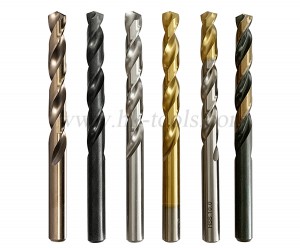
1.HSS-R: Roll-Forged Drills
The suffix -R comes from the German word Rollen (rolling), indicating that the flutes are formed through a hot rolling process rather than grinding.
In this process, a heated blank is passed between rollers that shape the flute geometry.
This method is efficient and cost-effective, but it has several technical implications:
•Wider tolerances compared to ground drills
•Rougher flute surfaces, resulting in higher friction
•Simpler point geometry, typically a standard 118° tip
HSS-R drills are commonly used in applications where cost is the primary concern, such as woodworking, light-duty metal drilling, or occasional use.
They are generally not suitable for precision work or continuous drilling in harder materials like steel or stainless steel.
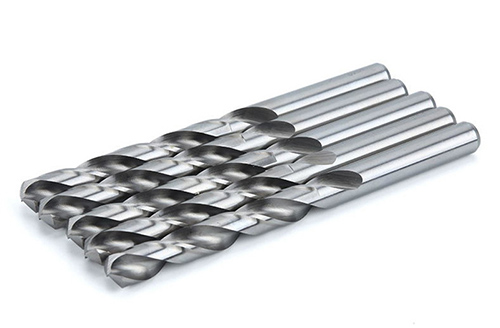
2.HSS-G: Fully Ground Drills
The suffix -G stands for Geschliffen (ground). These drills are fully ground, including flutes, body, and point.
This manufacturing method provides a higher level of precision and consistency, making HSS-G the standard choice in professional metalworking.
Key characteristics include:
•Tighter tolerances, typically meeting DIN 338 h8 standards
•Smooth flute surfaces, improving chip evacuation
•Precision ground point geometry, often a 135° split point
•More stable performance and longer tool life
Compared to HSS-R, HSS-G drills offer better accuracy, reduced heat generation, and improved durability in continuous use.
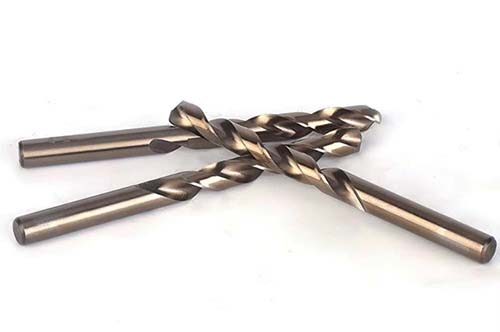
3.HSS-Co: Cobalt Drills
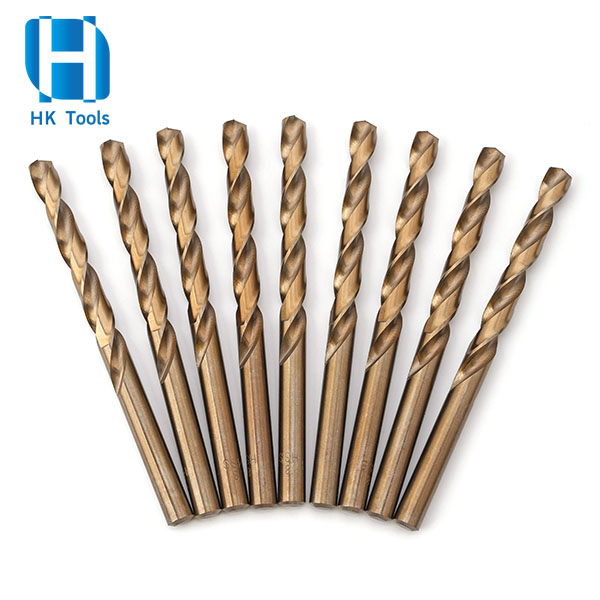
The -Co suffix indicates that cobalt has been added to the steel during the alloying process.
This is not a coating, but a change in the material composition that enhances performance at elevated temperatures.
Two common cobalt grades are used:
•M35 (HSS-Co5): Contains approximately 5% cobalt.
This is the most widely used cobalt grade and offers improved heat resistance and edge retention, especially when drilling stainless steel.
•M42 (HSS-Co8): Contains approximately 8% cobalt.
It provides even higher heat resistance but is more brittle and typically used in rigid, high-precision environments such as CNC machining.
Cobalt drills are particularly effective in materials that generate high cutting temperatures or exhibit work hardening.
4.HSS-E: European Designation
Many European brands use HSS-E instead of HSS-Co. The -E comes from the German “Erhöht” (elevated alloy content). In practice it refers to the same M35 composition as HSS-Co5. When comparing professional catalogues, the two can be treated as equivalent.
One variant worth knowing: HSS-E PM. PM stands for powder metallurgy. The steel is produced from atomised powder rather than a cast ingot, resulting in an extremely fine and uniform microstructure. These drills handle difficult materials (hardened steels, composites, superalloys) but are priced significantly higher than ordinary HSS-Co. Unless your CNC programme specifically requires them, they are not a general stocking item.
5.Coatings: TiN, TiAlN, TiCN
Some suffixes describe surface coatings applied after grinding using PVD (Physical Vapor Deposition).
These coatings improve surface properties such as friction and wear resistance but do not change the base material or manufacturing accuracy.
•TiN (Titanium Nitride)
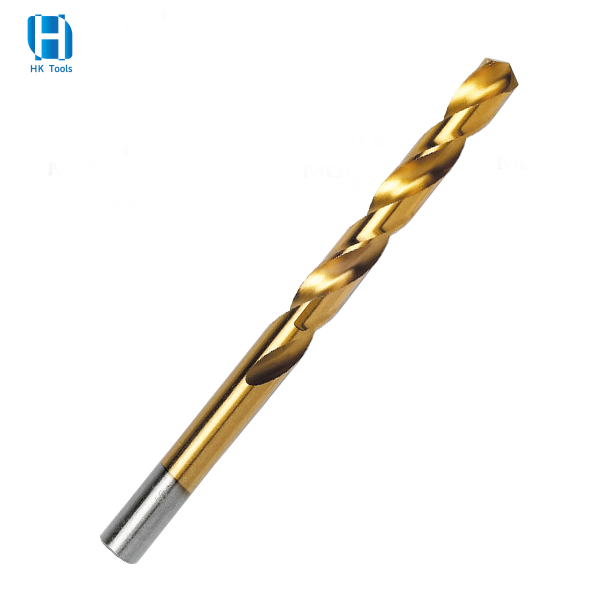
Recognizable by its gold color, TiN reduces friction and can improve performance in materials like aluminum and plastics.
•TiAlN / TiCN
Harder and more heat-resistant coatings, commonly used in high-speed or CNC machining environments.
•Black oxide
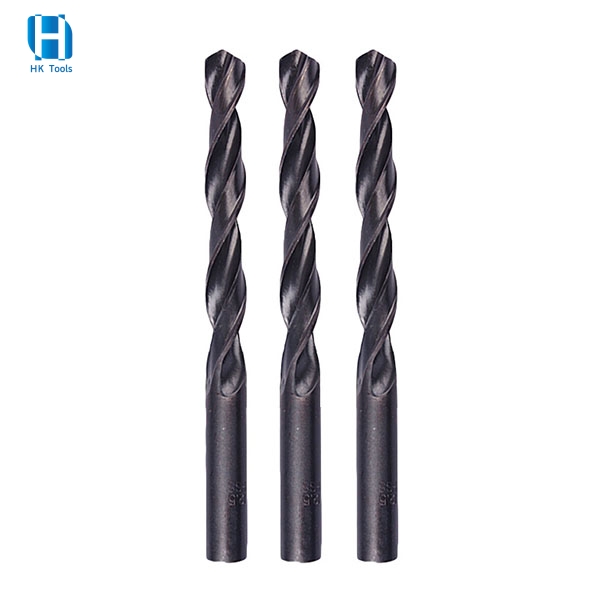
A standard surface treatment that provides basic corrosion resistance with minimal impact on cutting performance.
It is important not to evaluate drill bits based solely on coating appearance. A coated drill still retains the characteristics of its base material and manufacturing method.
Conclusion
HSS drill bit suffixes provide essential technical information that goes far beyond naming conventions.
They indicate how a tool is manufactured, what materials it is made from, and how it is expected to perform under different conditions.
Understanding these suffixes allows for more consistent tool selection, better performance outcomes, and more meaningful comparisons between products.
Post time: Apr-30-2026


