



What Are the Best Drill Bits for Stainless Steel?
Stainless steel is widely used in construction, automotive, kitchenware, and industrial manufacturing due to its strength, corrosion resistance, and durability. However, these same properties also make stainless steel more difficult to drill than mild steel or aluminum. Using inappropriate drill bits often leads to excessive heat, rapid tool wear, or poor hole quality.
Selecting the right drill bit material is therefore critical when drilling stainless steel.
Why Stainless Steel Requires Specialized Drill Bits
Stainless steel has high tensile strength and a strong tendency to work harden during drilling. When cutting conditions are not optimal, heat builds up quickly at the cutting edge, causing the surface of the material to harden. Once work hardening occurs, drilling becomes more difficult and tool life is significantly reduced.
For this reason, drill bits used on stainless steel must maintain hardness at elevated temperatures and provide stable cutting performance under continuous heat and pressure.
Best Drill Bit Materials for Stainless Steel
▪Cobalt Drill Bits
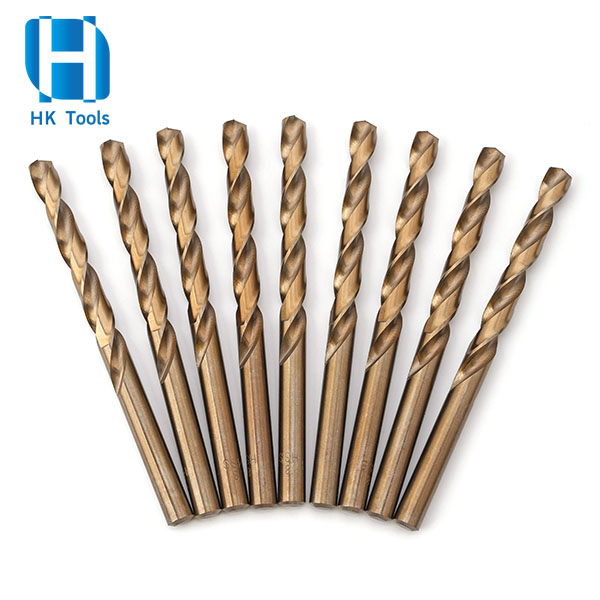
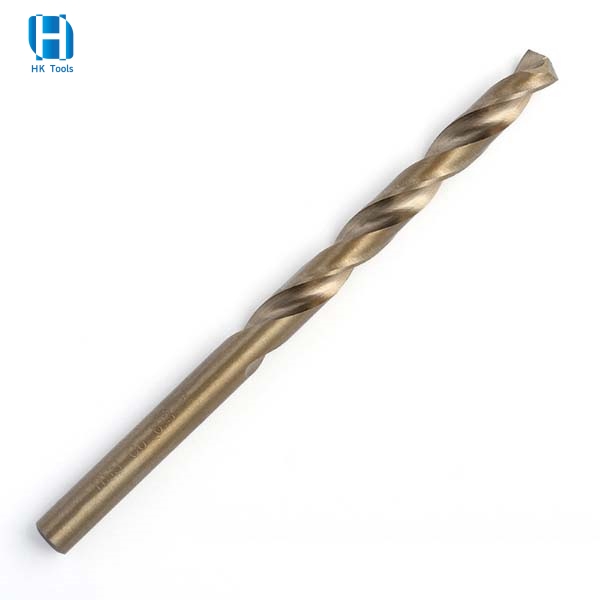
The best drill bits for stainless steel are typically made of cobalt alloy steel. Common grades include M35 with 5% cobalt and M42 with 8% cobalt content. The addition of cobalt increases red hardness, allowing the drill bit to retain its cutting edge even at high temperatures.
Cobalt drill bits are particularly suitable for drilling austenitic stainless steels such as 304 and 316. They offer improved wear resistance, longer service life, and more consistent hole quality compared with standard high-speed steel. For most professional and industrial applications, cobalt drill bits are considered the most reliable choice.
▪High-Speed Steel Drill Bits
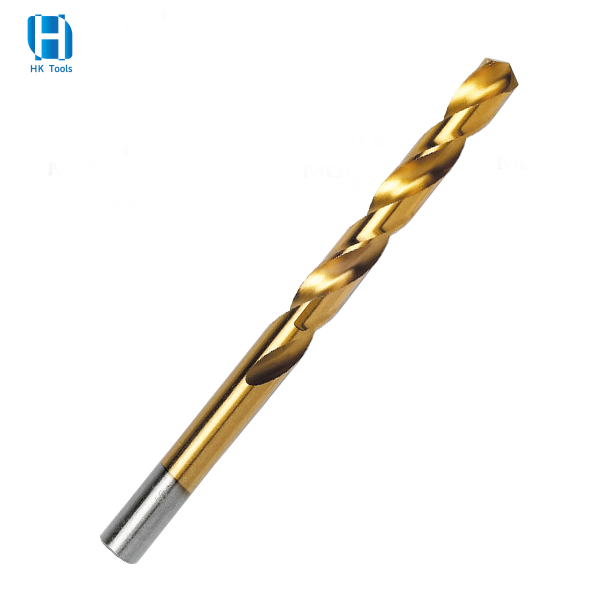
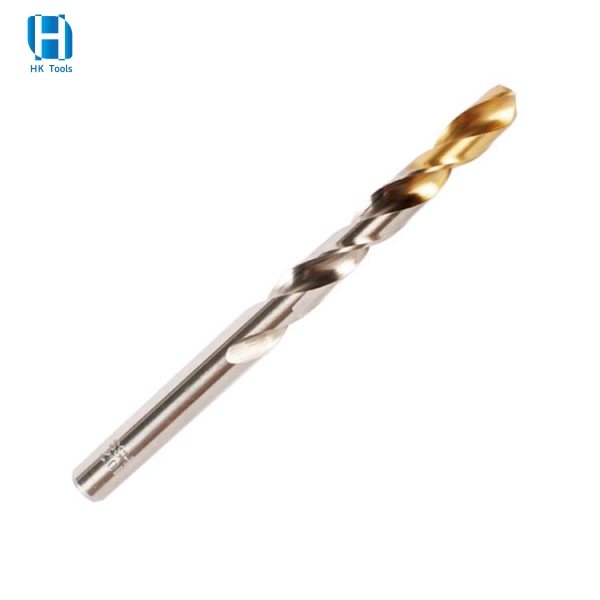
High-speed steel drill bits, such as HSS6542 (M2), can also be used for drilling stainless steel, especially in light-duty or intermittent applications. These drill bits are more economical and easier to sharpen, making them suitable for thin stainless steel sheets or lower cutting speeds.
However, standard HSS drill bits have lower heat resistance compared with cobalt alloys. When drilling thicker or harder stainless steel, they tend to dull more quickly and may require frequent replacement or regrinding.
Drill Bit Geometry and Design Considerations
In addition to material selection, drill bit geometry plays an important role in stainless steel drilling performance. A 135-degree split point design helps reduce walking and improves positioning accuracy at the start of drilling. Proper flute design ensures efficient chip evacuation, which helps control heat and prevents chip buildup inside the hole.
High-quality grinding and consistent cutting edges also contribute to smoother drilling and improved tool life.
Recommended Drilling Practices
Even with the correct drill bit, proper drilling technique is essential. Lower drilling speeds help reduce heat generation and minimize work hardening. Applying cutting fluid or oil improves lubrication and cooling at the cutting edge. Maintaining steady pressure allows the drill bit to cut efficiently rather than rub against the material surface.
For larger hole sizes, using a pilot hole can reduce stress on the drill bit and improve accuracy. Securing the workpiece firmly is also necessary to ensure safety and consistent results.
Conclusion
Drilling stainless steel successfully depends on selecting the appropriate drill bit material and applying correct drilling practices. Cobalt drill bits such as M35 and M42 provide superior heat resistance and durability, making them the preferred option for most stainless steel applications. High-speed steel drill bits like HSS6542 can be used for lighter tasks where cost efficiency is a priority.
By combining suitable drill bit selection with proper speed, lubrication, and pressure control, stainless steel can be drilled efficiently with reliable and repeatable results.
Post time: Feb-14-2026


