



Coarse Cut Rotary Burrs for Non-Ferrous Metals: How to Choose and Use Them
When working with non-ferrous metals such as aluminum, copper, and brass, choosing the right rotary burr can make a noticeable difference in cutting speed, chip removal, and surface finish. For fast material removal, coarse cut rotary burrs for non-ferrous metals are a practical choice.
What Is a Coarse Cut Rotary Burr?
A rotary burr is a small cutting tool used with a die grinder, rotary tool, or other high-speed power tool. A coarse cut burr has fewer, larger teeth with wider spacing than a fine cut burr.
This open tooth design provides more space for chips to escape during cutting, making coarse cut burrs particularly useful for non-ferrous metals that can produce long, sticky chips during machining.
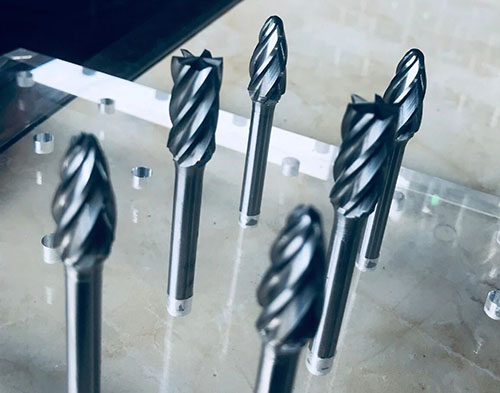
Why Use a Coarse Cut Burr for Non-Ferrous Metals?
Non-ferrous metals such as aluminum, copper, and brass are relatively soft, but they can be challenging to machine because chips can build up between the cutting teeth. When the teeth are too closely spaced, the burr may become loaded with material, reducing cutting efficiency.
A coarse cut burr provides better chip clearance and is well suited for applications that require fast material removal.
Common applications include:
▪Rough shaping and profiling
▪Removing excess material
▪Deburring edges
▪Enlarging or adjusting openings
▪Preparing edges before finishing
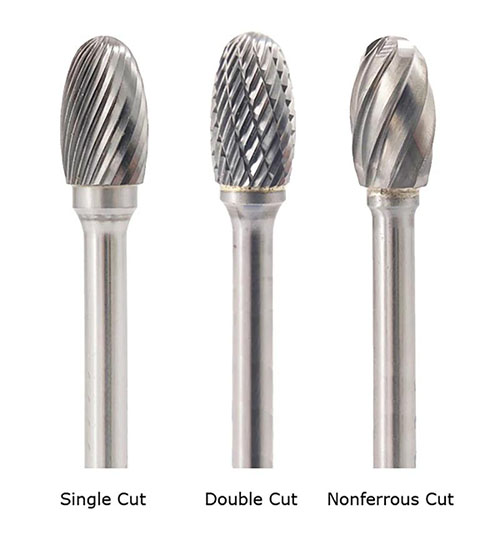
Coarse Cut vs. Fine Cut
The main difference is the tooth geometry and the type of cutting work they are designed for.
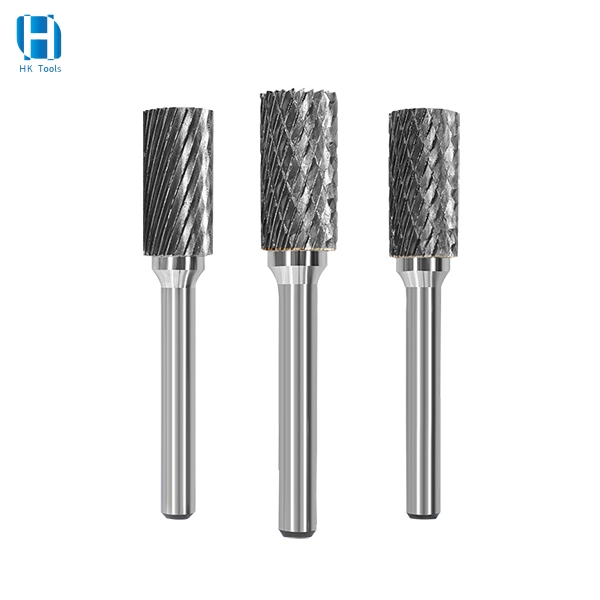
Coarse cut burrs have larger, more widely spaced teeth. They remove material quickly and provide better chip clearance, making them suitable for roughing and heavy material removal.
Fine cut burrs have smaller, more closely spaced teeth. They generally provide better control and a smoother surface, making them more suitable for finishing and detail work.
For non-ferrous metal machining, a common approach is to use a coarse cut burr for roughing, followed by a finer cut when a smoother surface is required.
Choosing the Right Burr Shape
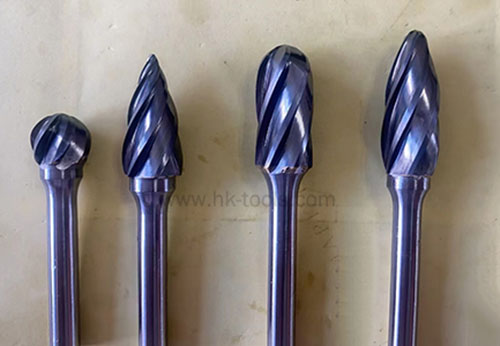
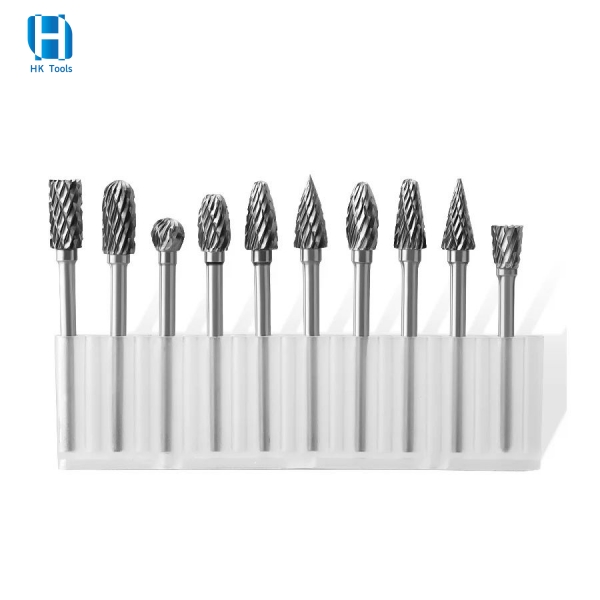
The tooth type is only one part of the selection. The burr shape should also match the geometry of the workpiece.
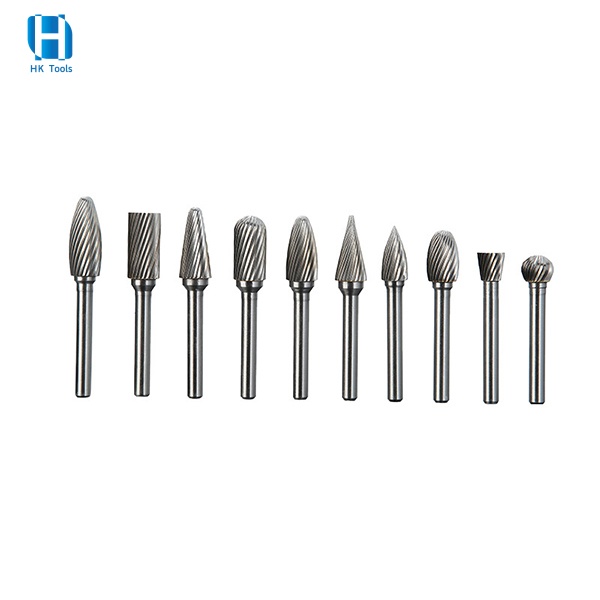
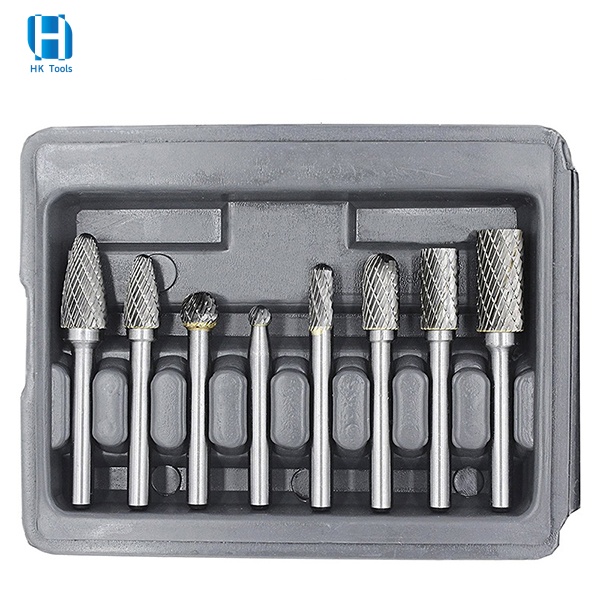
▪Cylinder: Suitable for flat surfaces, slots, and straight edges
▪Ball: Useful for curved surfaces, concave areas, and contouring
▪Tree: Suitable for narrow areas, inside corners, and curved profiles
▪Flame: Useful for contouring and curved surfaces
Choose the shape according to the area you need to machine and the profile you want to create.
Tips for Using Coarse Cut Burrs on Non-Ferrous Metals
-Keep the burr moving. Avoid holding the burr in one spot for too long, as this can generate excessive heat and cause material to build up on the cutting edges.
-Use the correct speed. Always follow the manufacturer's recommended RPM. Smaller burrs can generally be operated at higher speeds than larger burrs.
-Avoid excessive pressure. Apply steady pressure and allow the cutting edges to remove the material rather than forcing the burr into the workpiece.
-Clean the burr when necessary. Even coarse cut burrs can become loaded with material during heavy cutting. Remove built-up material to maintain cutting performance.
-Wear appropriate safety equipment. Rotary burrs operate at high speeds and can produce sharp chips. Use suitable eye protection, gloves where appropriate, and follow safe operating practices.
Final Thoughts
For non-ferrous metal applications that require fast and efficient material removal, coarse cut rotary burrs are a practical option. Their larger teeth and wider chip spaces help improve chip clearance and reduce loading during roughing operations.
When choosing a burr, consider the cut type, burr shape, diameter, tooth geometry, operating speed, and amount of material to be removed. For heavy roughing work, a coarse cut burr designed for non-ferrous metals is a practical starting point. When a smoother surface is required, switch to a finer cut for finishing.
Post time: Sep-18-2026


