



Double-Ended Drill Bits: Pros,Cons,and Best Applications
In metal fabrication and industrial drilling, tool life and cost per hole are critical factors. Double-ended drill bits — also known as reversible or twin-point drill bits — provide two cutting ends on one shaft. This article explains their practical advantages, limitations, technical features, and best application scenarios, helping you determine whether they are suitable for your drilling operations.
What Are Double-Ended Drill Bits?
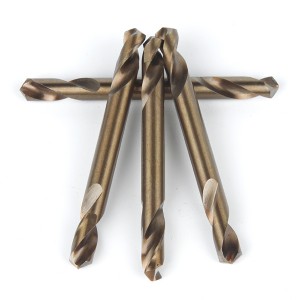
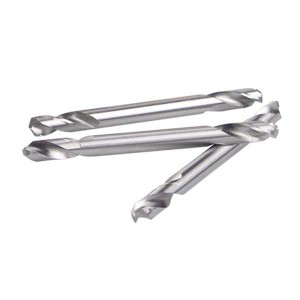
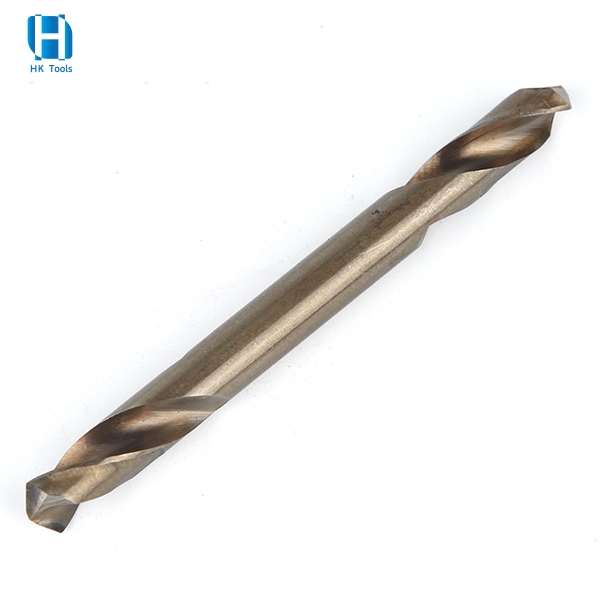
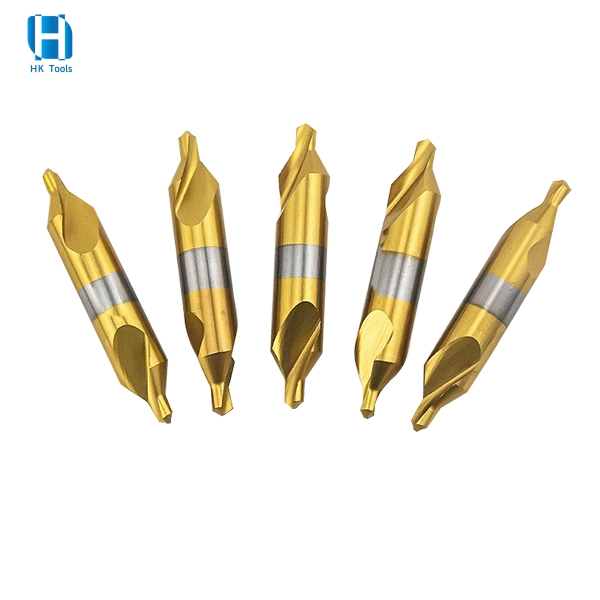
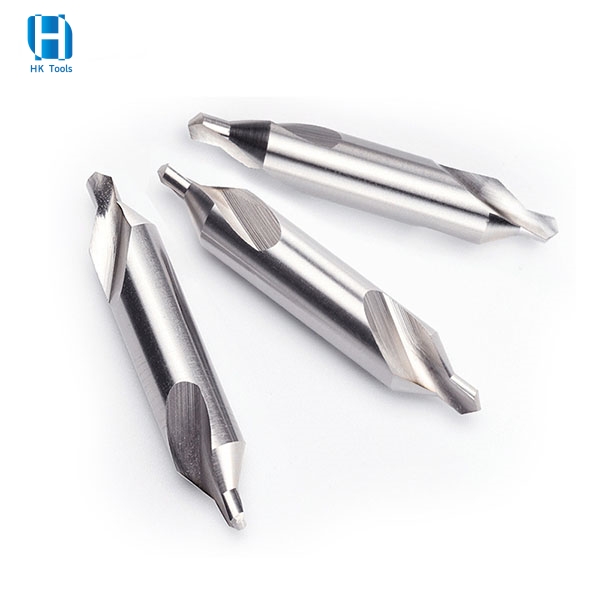
A double-ended drill bit is a twist drill with a sharp tip at both ends. When one end becomes dull, the bit can be flipped and reused from the opposite side. One drill body provides two usable cutting ends. It is important to understand that each cutting end wears at a similar rate to a conventional single-end drill bit made from the same material. The advantage lies not in longer life per tip, but in greater total output per bit.
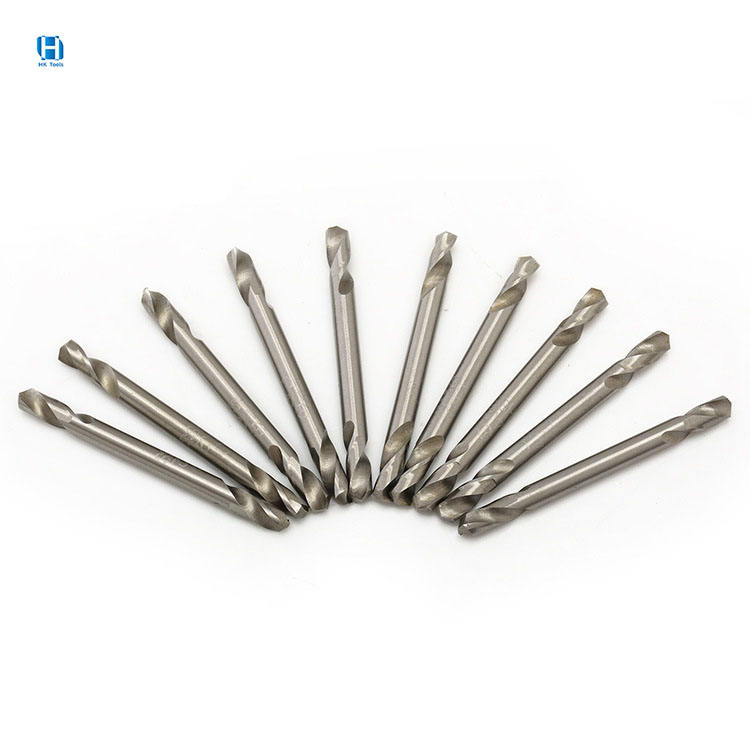
Double-ended HSS drill bits are commonly manufactured in materials such as M35 cobalt steel, M2 high-speed steel, and 4341 HSS, covering a wide range of metric and imperial sizes for metal drilling applications.
Key Technical Features
•135° split point – Improves self-centering performance and often reduces the need for center punching. Helps minimize drill walking and improves hole positioning accuracy.
•Spiral flute design – Promotes efficient chip evacuation, reduces heat buildup, and lowers the risk of premature failure caused by thermal stress.
•Material options – Available in HSS M35 (5% cobalt), M2, and 4341. All are heat-treated for high hardness and tensile strength, suitable for steel, stainless steel, aluminum, copper, alloy steel, and engineering plastics.
•Surface finishes and coatings – Bright, black oxide, amber, black & gold, and other customized finishes are available based on application requirements.
Pros and Limitations of Double-Ended Drill Bits
Double-ended drill bits help reduce cost per hole by providing two usable cutting ends in one tool body. In repetitive drilling operations, operators can simply reverse the bit after one end becomes dull, reducing downtime caused by tool replacement. They also improve inventory efficiency, since fewer replacement bits are required in stock.
However, double-ended drill bits are generally not designed for resharpening. Once both ends are worn, the bit is usually replaced. Their size range is also more limited compared to conventional single-end drill bits, especially for larger diameters. In deep-hole drilling applications, the shorter clamping length may reduce rigidity and stability.
Where Double-Ended Drill Bits Deliver the Most Value
•Metal fabrication shops – High-frequency drilling operations benefit from reduced tool-change time and improved cost efficiency.
•Hardware distributors and wholesalers – Their high cost-performance ratio makes them attractive for customers seeking economical drilling solutions.
•Industrial MRO (Maintenance, Repair & Operations) – Carrying one box of double-ended bits effectively provides twice the number of usable cutting ends, reducing spare tool requirements during field maintenance work.
•DIY and home workshops – Common metric and imperial sizes are suitable for a wide variety of everyday drilling applications where both versatility and value matter.
Final Thoughts
Double-ended drill bits are not a universal replacement for traditional single-end drill bits. They perform especially well in small-to-medium diameter drilling, repetitive production work, and environments where resharpening is impractical. Conventional single-end drill bits remain more suitable for large diameters, deep-hole drilling, and applications requiring regrinding.
Selecting the right drill design ultimately depends on hole depth, diameter range, production volume, and overall tooling strategy.
Post time: May-15-2026


