



2-Flute vs. 4-Flute End Mills: What's the Difference?
If you’ve ever run a CNC machine, you know that end mills are the workhorses of the shop. They shape, cut, and carve materials into precision parts. But when it comes time to choose one, a common question always comes up: should you use a 2-flute or a 4-flute end mill? It sounds like a small detail, yet this choice can make or break your machining job.
To understand the difference, start with the flutes themselves—the spiral grooves that run along the body of the tool. Flutes do two jobs: they create the cutting edges that slice into the material, and they provide space for chips to escape. The number of flutes directly affects chip clearance, tool rigidity, feed rate, and surface finish.
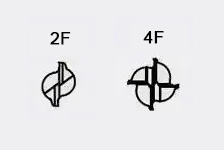
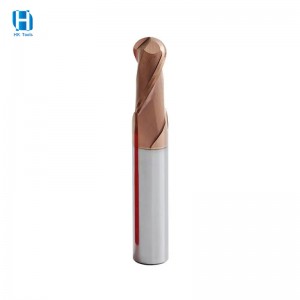
■2-Flute End Mill
※Advantages
A 2-flute end mill is built for chip evacuation. With only two cutting edges and large, open flute valleys, it gives chips plenty of room to clear out, which significantly reduces the risk of clogging. This open design allows you to push the tool at faster feed rates and also promotes better cooling, as more air or coolant can reach the cutting zone.
※Disadvantages
The trade-off comes in surface finish and rigidity. Fewer flutes mean fewer cutting edges, resulting in a rougher finish. The tool is also less rigid, making it more prone to deflection and vibration—especially when cutting harder materials.
※Best Applications
This makes the 2-flute end mill the go-to choice for slotting, roughing, and rapid material removal in soft, gummy materials like aluminum, brass, and plastics—any job where chip evacuation is the top priority.
■4-Flute End Mill
※Advantages
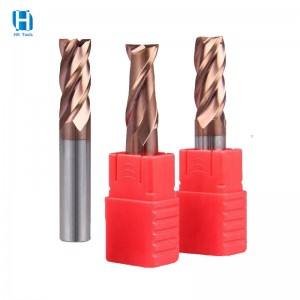
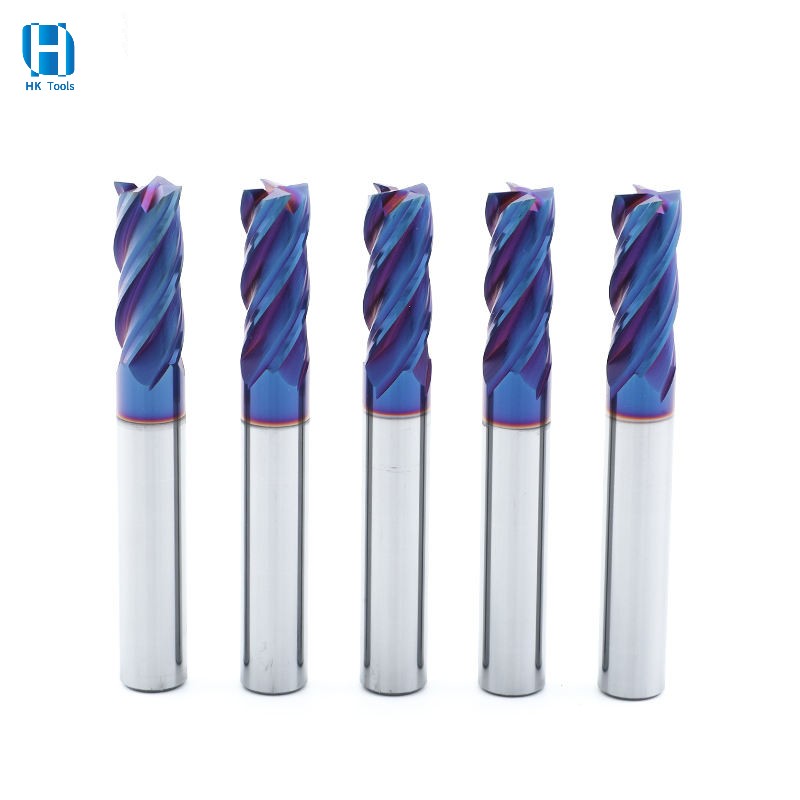
A 4-flute end mill prioritizes rigidity and surface quality. With four cutting edges, the load is distributed more evenly, allowing for a smoother, finer finish. The tool is significantly stiffer, resists deflection and vibration better, and typically offers longer tool life under proper conditions.
※Disadvantages
The downside is limited chip clearance. With tighter flute spaces, chips have less room to escape, which can lead to clogging—especially in soft, sticky materials. As a result, feed rates usually need to be reduced to avoid chip buildup.
※Best Applications
This design excels in finishing passes, profile milling, and contouring, particularly when working with harder materials such as steel, stainless steel, cast iron, and titanium—any situation where precision and surface finish matter more than raw removal rate.
■How to Choose
Choosing between a 2-flute and a 4-flute end mill ultimately comes down to your material and operation. If you’re working with soft or sticky materials like aluminum and need fast chip removal, a 2-flute end mill is usually the safer, more efficient option. If you’re machining harder materials and need a clean, precise finish, a 4-flute end mill is the better fit.
There are also options beyond these two. A 3-flute end mill offers a balanced compromise between chip clearance and rigidity, while variable-flute designs help reduce chatter in challenging setups. But for most everyday jobs, understanding this simple trade-off—speed and chip clearance versus rigidity and finish—is enough to make the right call.
Post time: Mar-27-2026


