



5 Common Coatings for Masonry Drill Bits
When tackling concrete, brick, or stone drilling tasks, the coating of your masonry drill bit isn’t just a “cosmetic detail”—it directly impacts how long the bit lasts, how smoothly it drills, and whether it resists rust in messy job sites. Today, we break down 5 common coatings to help you pick the right bit for your project.
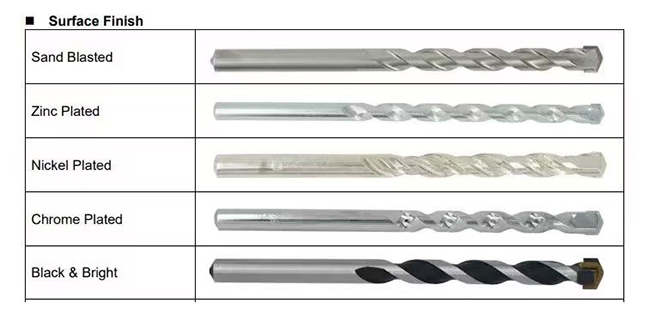
1. Sandblasted
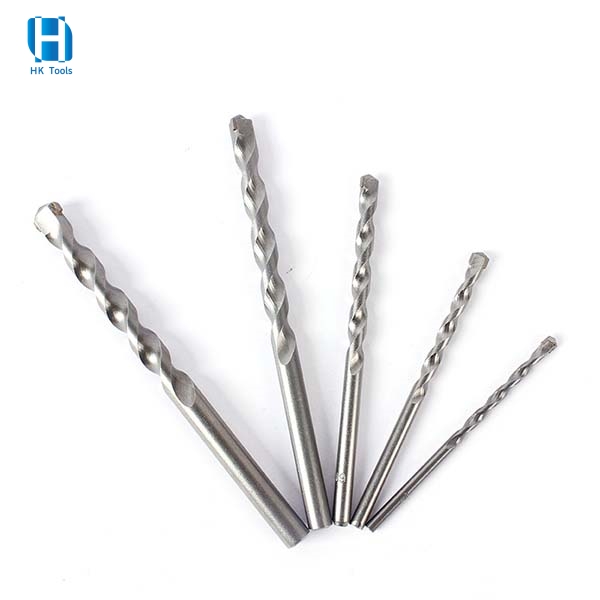
This process uses high-speed abrasive blasting to clean the drill surface, leaving a uniform matte gray finish. It is economical and practical for entry-level tools, but offers only limited rust protection. Ideal for short-term or disposable use.
2. Zinc Plated
A layer of zinc provides basic anti-corrosion protection. The surface appears silver or light blue. Compared to sandblasting, it offers better resistance to rust at a highly competitive cost, making it a popular option in mass-market products.
3. Nickel Plated
Nickel plating gives the drill bit a bright, polished look while improving its rust and corrosion resistance. This finish is commonly found in mid-range products, striking a balance between function and aesthetics.
4. Chrome Plated
As a premium option, chrome plating delivers a brilliant mirror-like finish combined with excellent hardness and wear resistance. Chrome-plated drill bits are positioned as high-end products and are often preferred for professional applications.
5. Black & Bright Finish
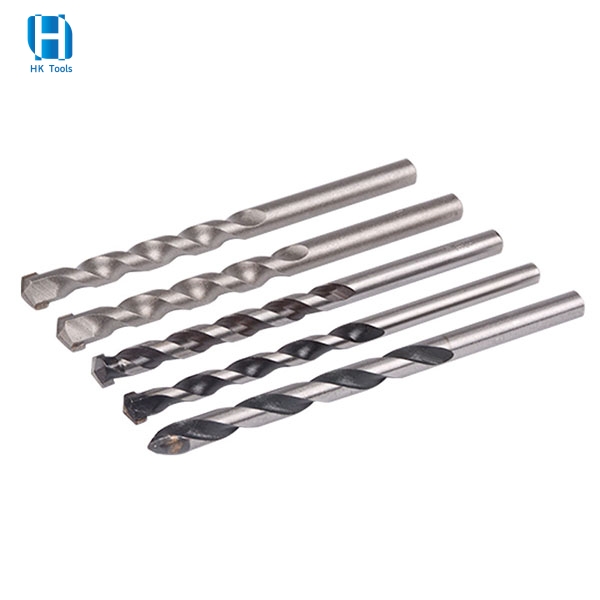
This coating combines black oxide treatment with polishing, creating a striking black-and-silver appearance. Beyond aesthetics, it offers decent rust protection and is widely used in mid-range product lines.
The right coating turns a “basic drill bit” into a tool that saves you time, reduces replacements, and keeps your projects on track. Next time you grab a masonry drill, check the coating—it’s the small detail that makes a big difference!
Post time: Aug-29-2025


