



Roll Forged vs. Full Ground: What's the Difference?
When sourcing High-Speed Steel (HSS) drill bits, one question comes up repeatedly:
Should you choose Roll Forged or Full Ground drill bits?
Although both are designed to perform the same basic function, they are manufactured differently and deliver different levels of accuracy, cutting performance, and service life.
Choosing the right type isn't simply about buying the "better" drill bit—it's about selecting the one that best matches your material, machining conditions, and budget.
In this guide, we'll explain the key differences and help you make the right decision.
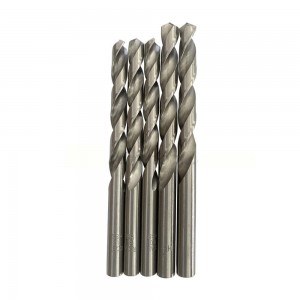
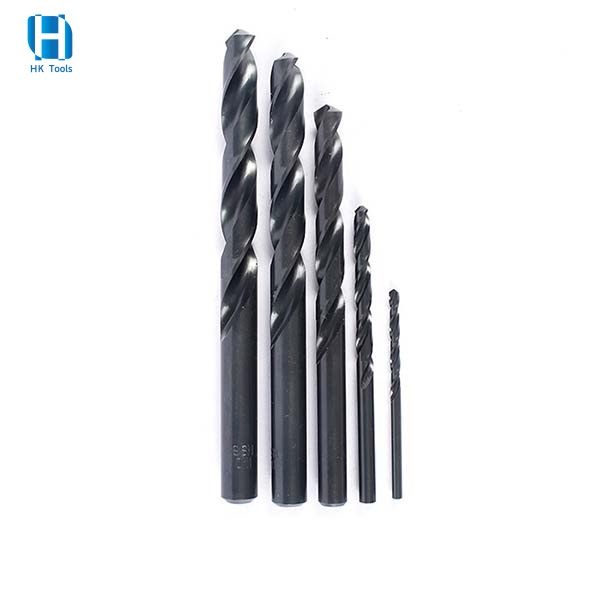
Roll Forged
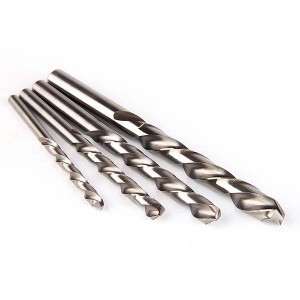
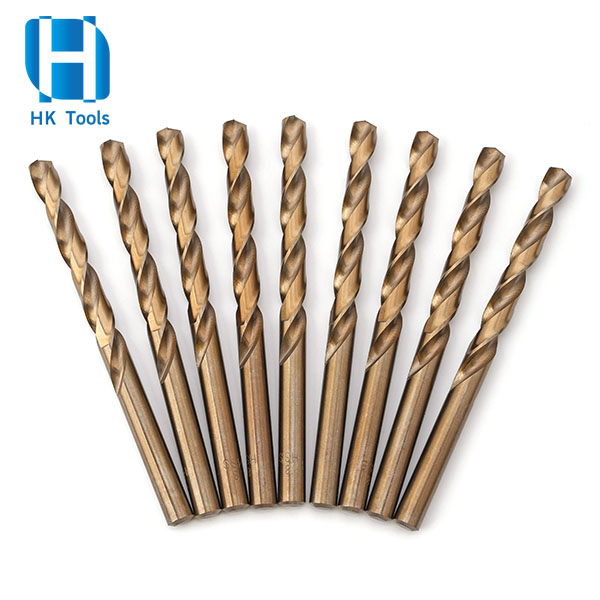
Full Ground
Understanding the Manufacturing Process
The biggest difference between Roll Forged and Full Ground drill bits lies in how the flutes are produced.
The flutes are responsible for cutting the material, evacuating chips, and allowing coolant to reach the cutting edge. Their manufacturing quality directly influences drilling performance.
Roll Forged Drill Bits
Roll forged drill bits are produced by heating a steel blank and forming the flutes through rolling dies. Instead of removing material, the flutes are pressed into shape.
This manufacturing method is highly efficient and suitable for large-volume production, making roll forged drill bits an economical choice for general-purpose drilling.
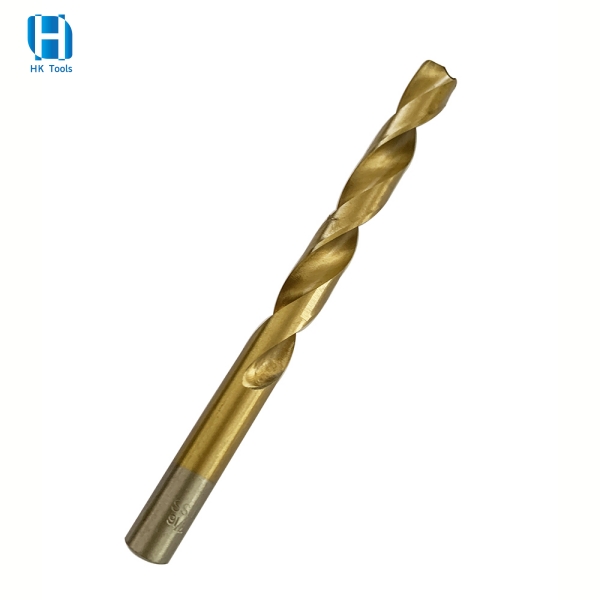
Full Ground Drill Bits
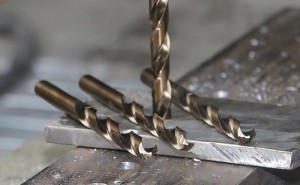
Full ground drill bits begin with hardened steel blanks. The flutes, outside diameter, and drill point are precisely ground using CNC grinding equipment.
Because the cutting geometry is created through precision grinding, full ground drills offer tighter dimensional tolerances, better concentricity, and more consistent cutting performance.
|
Feature |
Roll Forged |
Full Ground |
|
Manufacturing |
Hot rolling/pressing |
Precision abrasive grinding |
|
Precision/Tolerance |
Moderate |
High / Very Tight |
|
Sharpness |
Good |
Excellent |
|
Ideal Materials |
Wood, Plastic, Mild Steel |
Hard Metals, Alloy Steel, Stainless Steel |
|
Production Cost |
Lower |
Higher |
|
Best For |
DIY, General Maintenance |
Industrial Professional, Machinist |
Which One Should You Choose?
Full ground drill bits are not always the better choice—the right option depends on your application.
For general-purpose drilling in materials like wood, plastic, or mild steel, roll forged drill bits provide reliable performance at a lower cost. However, when drilling stainless steel, alloy steel, or other demanding materials, full ground drill bits offer greater accuracy, improved cutting efficiency, and longer tool life.
Before making your choice, consider a few key factors: the material being drilled, the required hole accuracy, the type of machine being used, production volume, and whether cost savings or machining efficiency is your priority.
Choosing the drill bit that best matches your application—not simply the most expensive one—is the most cost-effective solution in the long run.
Conclusion
Both roll forged and full ground HSS drill bits have their advantages. The right choice depends on your material, machining requirements, and budget.
For general-purpose drilling, roll forged drill bits offer reliable performance at an economical cost. For demanding applications requiring higher accuracy and longer tool life, full ground drill bits are the better option.
Understanding these differences will help you choose the most suitable drill bit for better performance and greater value.
Post time: Jul-03-2026


