



TCT Woodworking Saw Blades: A Complete Guide for Precision and Performance
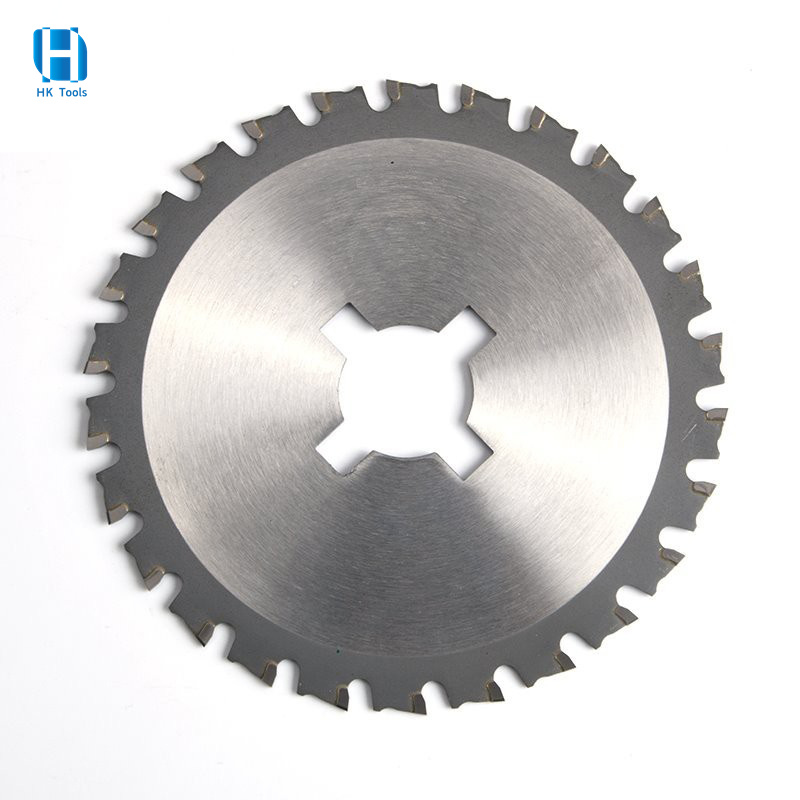
When it comes to woodworking, the saw blade you use can make all the difference between a rough cut and a perfectly smooth finish. TCT (Tungsten Carbide Tipped) woodworking saw blades are designed to deliver durability, accuracy, and clean results across a wide range of materials — from solid hardwood to plywood and laminates.
Whether you’re cutting, ripping, or crosscutting, understanding the key features of a TCT saw blade -- including its material, tooth design, kerf, and size — will help you achieve the best cutting performance and extend the life of your tools. Here’s everything you need to know before choosing the right blade for your next woodworking project.
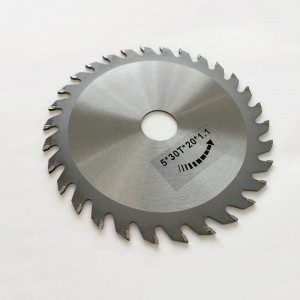
1. Blade Material: TCT woodworking saw blades are typically made of carbide, a highly durable material that can cut through even the toughest woods. Carbide is also resistant to heat and friction, ensuring long-lasting performance.
2. Blade Teeth: The teeth on a saw blade are what actually do the cutting. In woodworking, there are two main types of teeth: rip and crosscut. Rip teeth are designed for cutting with the grain of the wood. Crosscut teeth are for cutting across the grain.
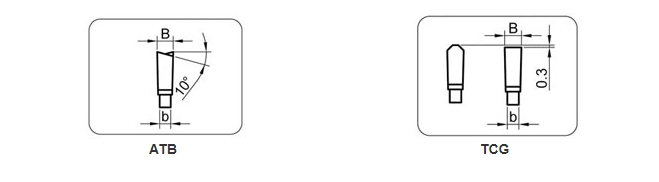
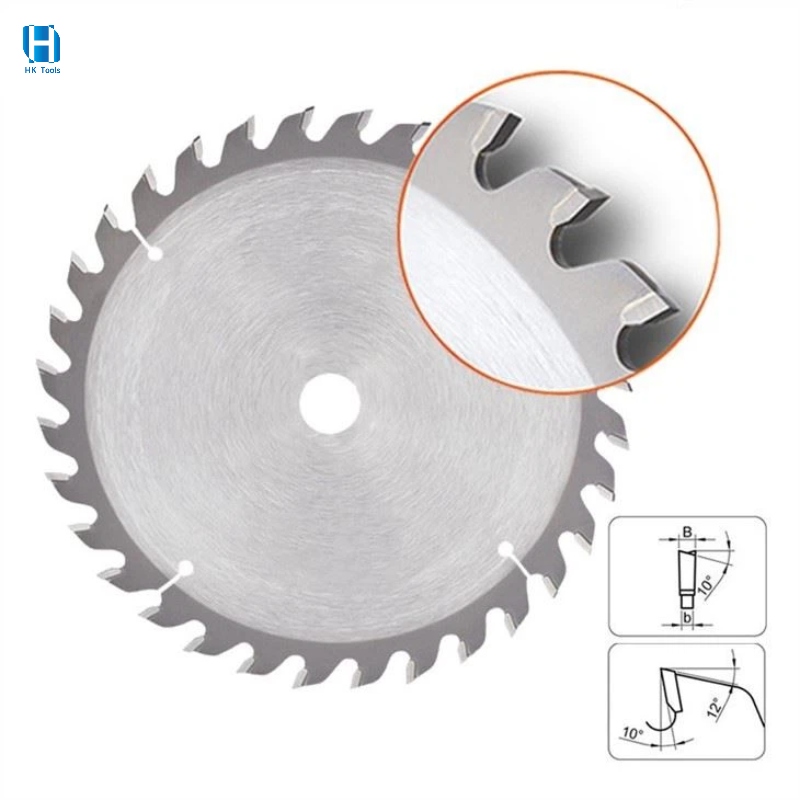
3. Tooth Configuration: Tooth configuration refers to how the teeth are shaped and arranged on the blade, which directly affects cutting performance. The most common profiles include Flat-Top Grind (FTG), Alternating Top Bevel (ATB), and Triple Chip Grind (TCG).
▪FTG teeth are flat on top, often used for ripping. They cut quickly but may leave rough edges.
▪ATB teeth alternate between left and right bevels, creating a cleaner cut. They are ideal for crosscutting and work well with plywood to reduce tear-out.
▪TCG teeth combine a flat tooth with a beveled one, offering both durability and smooth cutting. They are suitable for hard materials such as laminates, plastics, and plywood.
4. Kerf: Kerf refers to the width of the cut that the saw blade produces. A blade with a wider kerf removes more material and creates a thicker cut, while a narrower kerf removes less material and results in a thinner cut.
5. Tooth Count: The tooth count indicates how many teeth are on the blade. Blades with a higher number of teeth deliver smoother cuts but work at a slower pace, whereas blades with fewer teeth cut more quickly but may leave a rougher surface.
6. Size: Saw blades come in different sizes depending on the type of saw you use. Always choose a blade that matches the correct size and specifications of your saw to ensure safety and performance.
Understanding the essential features of TCT woodworking saw blades—such as material, tooth design, kerf, and size—will help you make the right choice for any woodworking task. A high-quality blade not only improves cutting accuracy and efficiency but also provides long-lasting performance, making it a valuable investment for both professionals and hobbyists.

Post time: Nov-07-2025


