



The Ultimate Guide to Left-Hand Twist Drill Bits: Uses, Benefits and How to Use Them
If you have ever dealt with a broken bolt, stripped screw, or seized fastener, you know how frustrating the removal process can be. Standard right-hand drill bits rotate in the same direction as most threaded fasteners tighten, which makes them less effective for extraction tasks.
A left-hand twist drill bit is a specialized cutting tool designed to rotate counterclockwise. By combining drilling action with reverse torque, it can help remove broken bolts, damaged screws, and seized fasteners more efficiently.
Although less common than standard twist drill bits, left-hand drill bits are widely used in automotive repair, equipment maintenance, and metalworking applications.
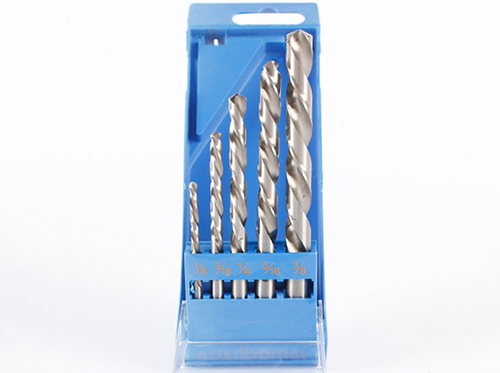
■What Is a Left-Hand Drill Bit?
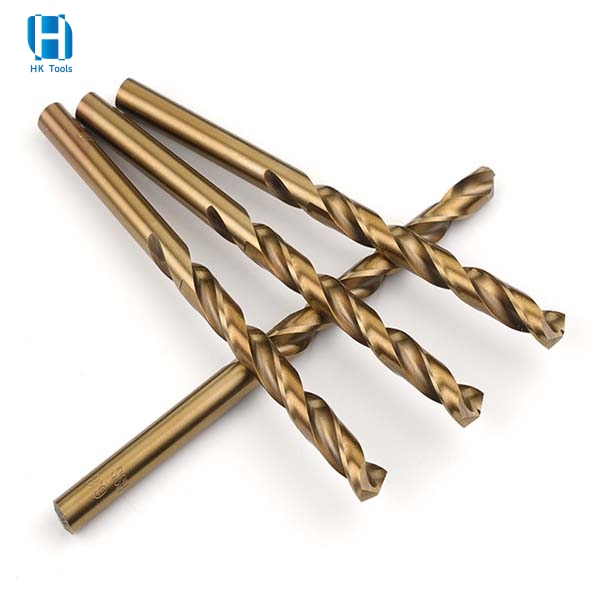
A left-hand drill bit looks similar to a standard twist drill bit, but the key difference is the flute direction. Unlike conventional drill bits with a right-hand spiral, left-hand drill bits have flutes that spiral in the opposite direction.
They are designed to work with a drill running in reverse (counterclockwise rotation). This reverse cutting action allows the drill bit to create a hole while applying loosening force to the broken fastener.
| Feature | Right-Hand Drill Bit | Left-Hand Drill Bit |
| Flute Direction | Clockwise spiral | Counterclockwise spiral |
| Rotation | Forward (clockwise) | Reverse (counterclockwise) |
| Main Application | General drilling | Broken fastener removal |
| Drill Compatibility | Standard drilling mode | Reverse drilling mode |
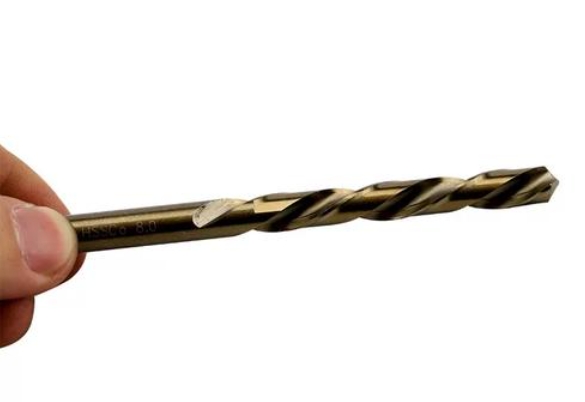
■How Left-Hand Drill Bits Work
The main advantage of a left-hand drill bit is its dual-action function.
When used with a drill set to reverse rotation, it performs two tasks at the same time:
1.Creates a pilot hole in the broken fastener
2.Applies counterclockwise torque to loosen the fastener
Most bolts and screws use right-hand threads, meaning they tighten clockwise and loosen counterclockwise. Because a left-hand drill bit rotates in the opposite direction, it can sometimes cause the broken fastener to loosen and back out during drilling.
In many cases, the fastener can be removed without requiring additional extraction tools.
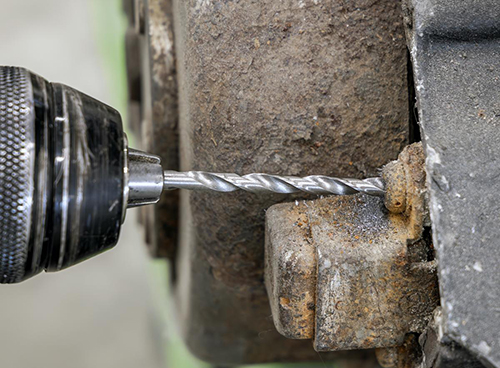
■Why Use Left-Hand Drill Bits?
1. Faster Broken Fastener Removal
Left-hand drill bits simplify the removal process by combining drilling and loosening in one operation. This can save time compared with drilling a hole first and then using a separate extractor.
2. Reduce the Risk of Damage
The reverse drilling action helps minimize damage to surrounding materials and internal threads, especially when removing broken bolts from valuable components.
3. Two Functions in One Tool
A left-hand drill bit can both drill and assist with fastener removal, making it a practical addition to maintenance and repair tool kits.
4. Suitable for Various Applications
Left-hand drill bits are commonly used for:
▪Automotive repair
▪Machinery maintenance
▪Industrial equipment servicing
▪Metalworking projects
▪Removing broken bolts and screws
■How to Use Left-Hand Drill Bits: Step-by-Step
Step 1: Center Punch the Fastener
Use a center punch to create a small mark in the center of the broken bolt or screw. This helps prevent the drill bit from moving away from the correct position.
Step 2: Set the Drill to Reverse
Set your drill to reverse (counterclockwise rotation) before starting. Using the correct rotation direction is essential for proper cutting performance.
Step 3: Start with the Appropriate Size
For larger broken fasteners, start with a smaller drill bit and gradually increase the size if necessary. This improves control and reduces the risk of damaging the surrounding area.
Step 4: Drill Slowly with Steady Pressure
Use a suitable drilling speed according to the material, drill bit diameter, and working conditions. Apply steady pressure and allow the drill bit to cut naturally.
For difficult or rusted fasteners, applying cutting fluid or penetrating oil can improve the drilling process.
Step 5: Remove the Fastener
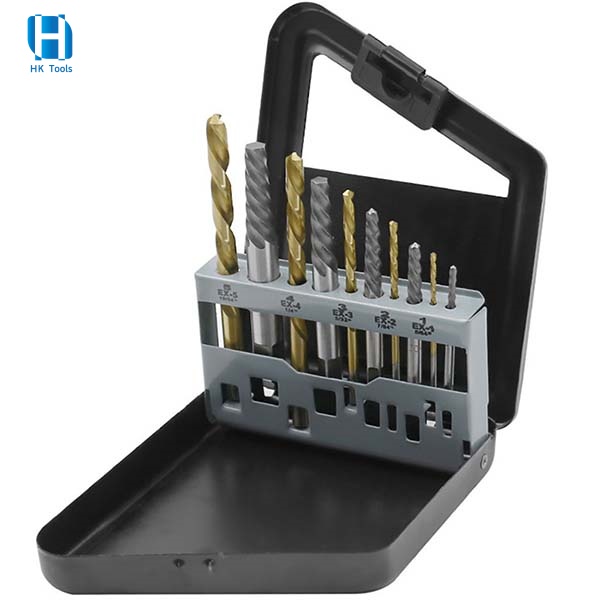
During drilling, the reverse rotation may loosen the broken fastener and allow it to come out. If the fastener does not release, the drilled hole can be used together with a screw extractor.
■Common Materials of Left-Hand Drill Bits
Left-hand twist drill bits are commonly manufactured from high-speed steel (HSS) and cobalt high-speed steel.
▪HSS left-hand drill bits are suitable for general maintenance work and common metal applications.
▪Cobalt left-hand drill bits provide better heat resistance and are recommended for tougher materials, such as stainless steel and harder alloys.
Choosing the right material depends on the application, drilling conditions, and the material being processed.
■Final Thoughts
Left-hand twist drill bits are valuable tools for mechanics, machinists, and maintenance professionals. Their unique reverse-cutting design allows them to drill into broken fasteners while applying loosening force at the same time.
Whether used for automotive repair, industrial maintenance, or general metalworking, a quality set of left-hand drill bits can save time, reduce repair difficulties, and make challenging extraction jobs much easier.
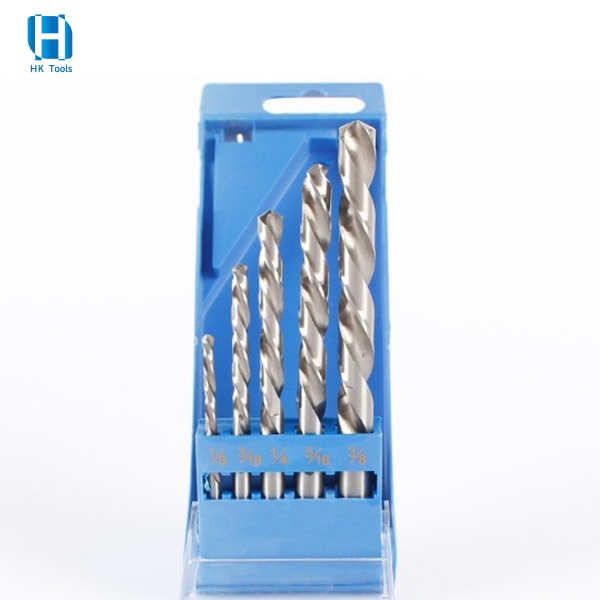
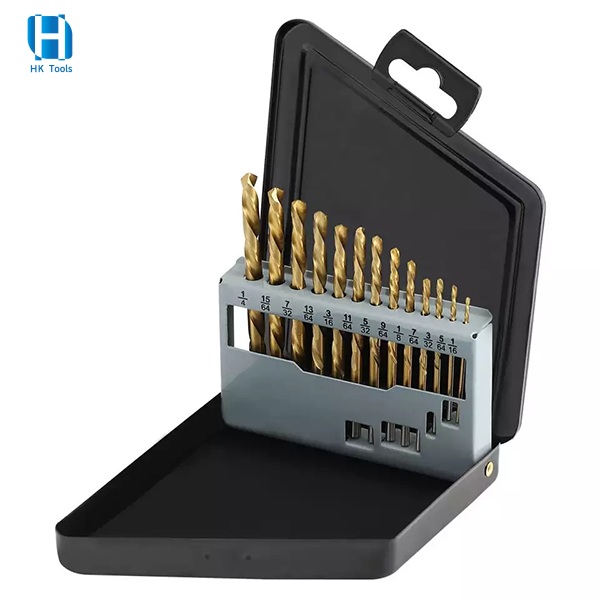
At HK TOOLS, we supply high-quality HSS and cobalt left-hand twist drill bits in various sizes for professional and industrial applications. OEM branding and customized packaging are also available to meet different market requirements.
Post time: Aug-07-2026


