



Type W Twist Drill Bits: How Flute Design Improves Chip Evacuation
When drilling soft and ductile materials such as aluminum and copper, long, continuous chips can make chip evacuation difficult. These chips may become tangled around the drill or accumulate inside the hole, increasing friction and affecting drilling performance.
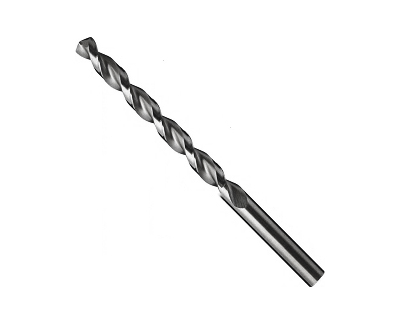
Type W twist drills feature a large helix angle, which helps guide long chips out of the hole. This flute design is particularly suitable for materials that tend to produce continuous chips. However, chip evacuation depends on more than the helix angle alone. Flute width, web thickness, and surface finish also play important roles in drilling performance.
How Does the Helix Angle Affect Chip Evacuation?
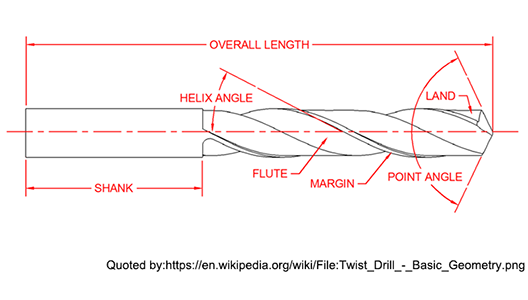
The helix angle is the angle formed by the helical flute and the drill axis. It influences both chip movement and cutting-edge geometry.
Compared with a normal helix design, a larger helix angle creates a steeper helical path that helps guide long chips out of the hole more directly. This is particularly useful when drilling materials such as aluminum and copper, which often produce long, ductile chips.
The helix angle also affects the rake angle. Near the outer cutting edge, a larger helix angle generally corresponds to a more positive rake angle, making the cutting action more effective. However, this can reduce the material supporting the cutting edge.
Therefore, a larger helix angle is not always better. The design must balance chip evacuation, cutting efficiency, and cutting-edge strength.
What Other Flute Features Affect Chip Evacuation?
The helix angle is important, but it is not the only factor. Flute dimensions and surface finish also influence how easily chips move through the drill.
Flute Width and Depth
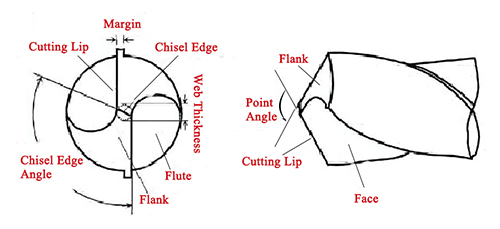
Flute width determines the lateral space available for chips to pass through, while flute depth contributes to the overall chip-carrying capacity.
Sufficient flute space helps prevent chip accumulation, particularly when drilling materials that produce long or bulky chips. However, increasing flute dimensions also affects the remaining material in the drill body, so the design must maintain adequate strength.
Web Thickness
The web is the central section of the drill body between the two flutes. Its thickness affects the rigidity and torsional strength of the drill.
A thicker web generally provides greater strength but reduces the available flute space. A thinner web creates more room for chip evacuation, although it may reduce the drill's resistance to twisting.
The appropriate balance depends on the drill diameter, material, and intended application.
Flute Surface Finish
The flute surface also affects chip movement. A smoother, polished surface helps reduce friction between chips and the flute walls.
This is particularly useful when drilling aluminum and copper, where chips may adhere to the tool surface. Polished flutes can help reduce chip adhesion and support smoother chip evacuation.
What Happens When Chips Cannot Evacuate Properly?
When chips accumulate inside the hole instead of moving out smoothly, several problems may occur:
•Increased friction and heat: Trapped chips rub against the drill and hole wall, generating additional heat.
•Poor hole quality: Chip interference can affect the cutting process and result in a rougher hole surface.
•Drill breakage: Excessive chip buildup can increase torsional load, particularly during deep-hole drilling.
•Reduced tool life: Continuous chip interference and heat can accelerate cutting-edge wear.
These problems are especially important when drilling deep holes or working with materials that produce long, continuous chips.
Choosing the Right Flute Design for Different Materials
Different materials produce different chip shapes, so the appropriate flute design depends on the workpiece and drilling conditions.
| Workpiece Material | Typical Chip Formation | General Flute Choice |
|---|---|---|
| Aluminum | Long, continuous chips | Large helix, polished flute |
| Copper | Long, ductile chips | Large helix, polished flute |
| Mild Steel | Curled chips | Normal helix |
| Alloy Steel | Curled or segmented chips | Normal helix |
| Cast Iron | Short, brittle chips | Small helix |
This table provides general guidance rather than fixed rules. Actual chip formation and flute requirements vary depending on the material grade, cutting speed, feed rate, drill diameter, and hole depth.
Conclusion
Type W twist drills are not simply drills for aluminum. Their performance in long-chip materials comes from the interaction of several design features, including a large helix angle, sufficient flute space, suitable web thickness, and a smooth flute surface.
Understanding how these features work together makes it easier to select the right drill for different materials and drilling conditions. A suitable flute design can help improve chip evacuation, reduce unnecessary friction, and support more stable drilling performance.


Post time: Nov-06-2026


