



Which Tap Should You Use for Through Holes and Blind Holes?
Choosing the right tap has a direct impact on tapping efficiency, thread quality, and tool life. Using the wrong type of tap can lead to poor chip evacuation, excessive cutting torque, thread damage, or even tap breakage.
One of the first factors to consider when selecting a tap is the type of hole being machined. Through holes and blind holes have different chip evacuation requirements, so different tap designs are generally preferred.

Through Hole Tapping: Spiral Point Taps
A through hole passes completely through the workpiece, allowing chips to exit through the bottom of the hole.
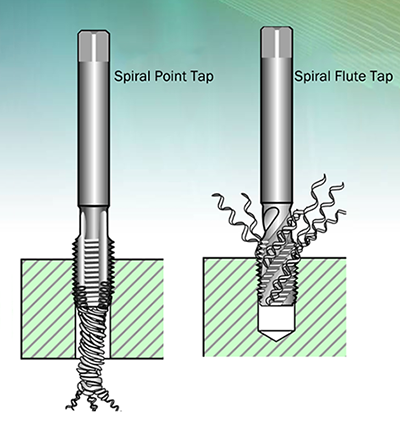
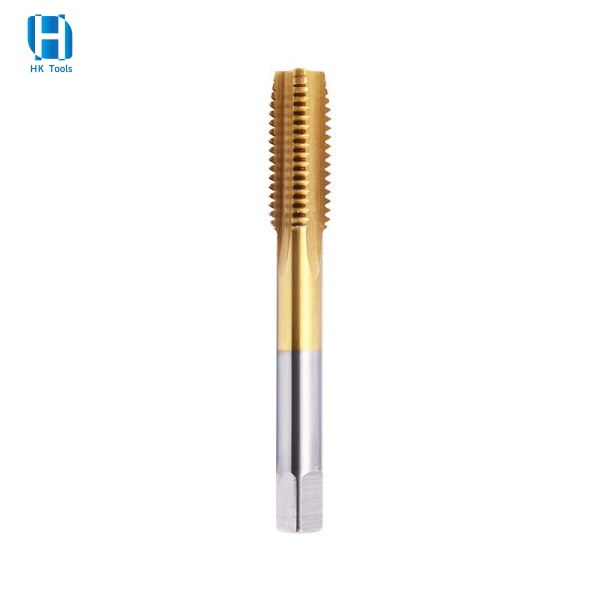
For through-hole tapping, a spiral point tap, also known as a gun tap, is commonly the preferred choice.
The cutting geometry of a spiral point tap is designed to push chips forward, away from the cutting area and toward the bottom of the hole. Since the chips have a clear path to exit through the other side, this design provides efficient chip evacuation during tapping.
Spiral point taps are widely used for:
▪Through holes
▪CNC tapping
▪Production machining
▪Applications requiring efficient chip evacuation
Another advantage of the spiral point design is its efficient chip evacuation, which makes it well suited to continuous and high-volume tapping operations.
Spiral point taps are commonly used for materials such as steel, brass, and cast iron, depending on the specific tap design and cutting conditions.
For deeper through holes, reliable chip evacuation becomes even more important. By directing chips forward instead of allowing them to accumulate around the cutting area, a spiral point tap can help maintain stable tapping performance.
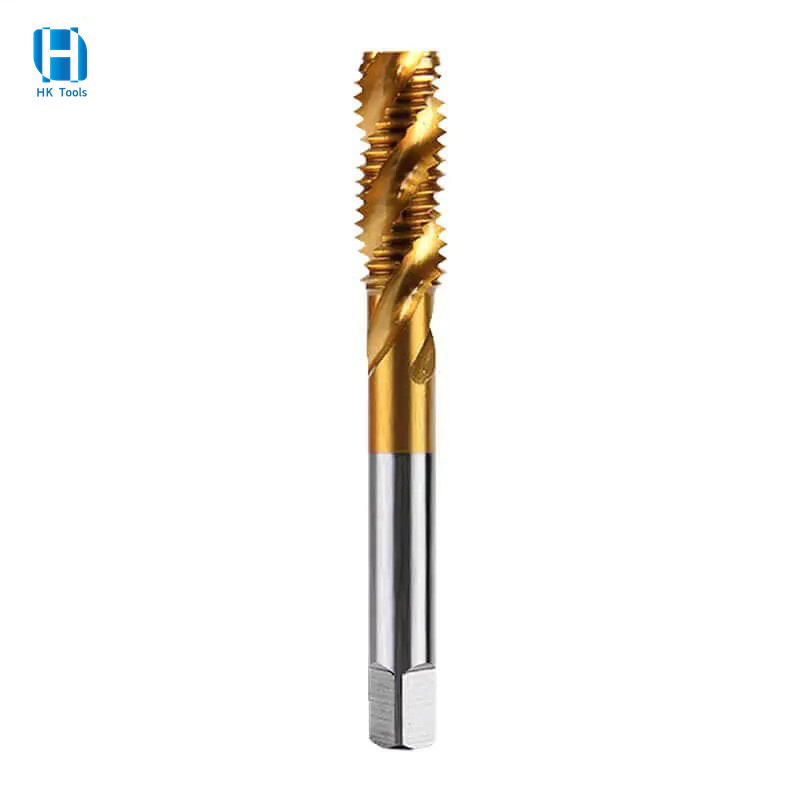
Blind Hole Tapping: Spiral Flute Taps
A blind hole does not pass completely through the workpiece. Because the bottom of the hole is closed, chips cannot escape through the bottom and must be evacuated through the hole entrance.
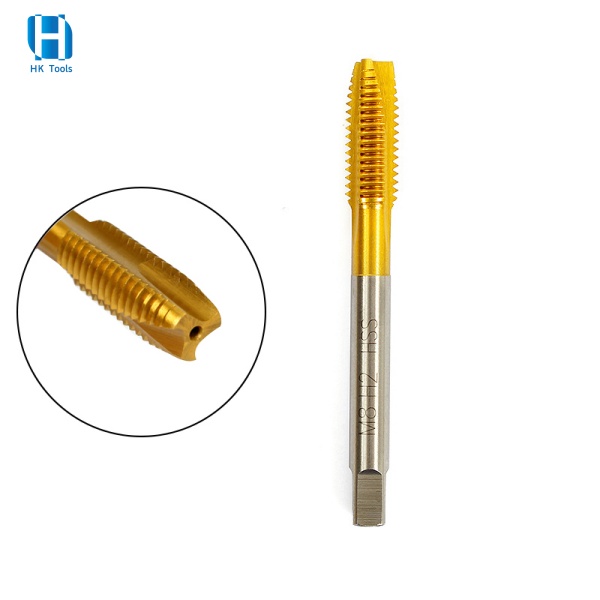
For many blind-hole applications, a spiral flute tap is the preferred choice.
The helical flutes help guide chips upward and out of the hole as the tap advances. This is particularly useful when machining materials that produce long or continuous chips, such as aluminum and stainless steel.
Spiral flute taps are commonly used for:
▪Blind holes
▪Deeper internal threads
▪CNC machining
▪Materials that produce long chips
However, a spiral flute tap should not be selected simply because the hole is blind. The workpiece material, hole depth, thread depth, and machining conditions should also be considered.
The spiral flute design generally provides less core strength than a comparable straight flute tap. Therefore, the choice should balance chip evacuation requirements with the strength required for the application.
Special Option: Forming Taps for Chip-Free Tapping
In addition to cutting taps, forming taps, also known as roll taps, offer another option for suitable materials.
Instead of removing material to form the thread, a forming tap creates the thread through plastic deformation. As a result, no cutting chips are produced.
Because there are no chips to evacuate, forming taps can be used for both through holes and blind holes, provided that the workpiece material and hole dimensions are suitable.
Forming taps can offer several advantages, including good thread strength and consistent thread quality. Since the material is displaced rather than cut away, the resulting thread profile can also have a different surface and material structure compared with a cut thread.
However, forming taps require higher torque and are not suitable for every material or application. They also require a larger tapping drill diameter than cutting taps because sufficient material must be available for the forming process.
The correct drill size should therefore always be selected according to the forming tap manufacturer's specifications.
Straight Flute Taps: A Versatile Option
Straight flute taps are one of the most traditional tap designs. Their flutes run straight along the tap and provide a relatively simple and versatile cutting geometry.
They can be used for both through holes and blind holes in suitable applications and are commonly used for materials that produce short chips, such as cast iron.
Straight flute taps are also widely used for manual tapping and general-purpose applications.
Their main limitation is chip evacuation. Unlike spiral point taps and spiral flute taps, straight flute taps do not actively direct chips in a specific direction. When machining materials that produce long chips, chip accumulation can become a problem.
For this reason, the workpiece material and chip characteristics should be considered when choosing a straight flute tap.
Final Thoughts
There is no single tap that is suitable for every tapping application. The hole type provides a useful starting point, but the final choice should also take the workpiece material, hole depth, thread depth, thread specification, tapping speed, cutting fluid, and machine conditions into account.
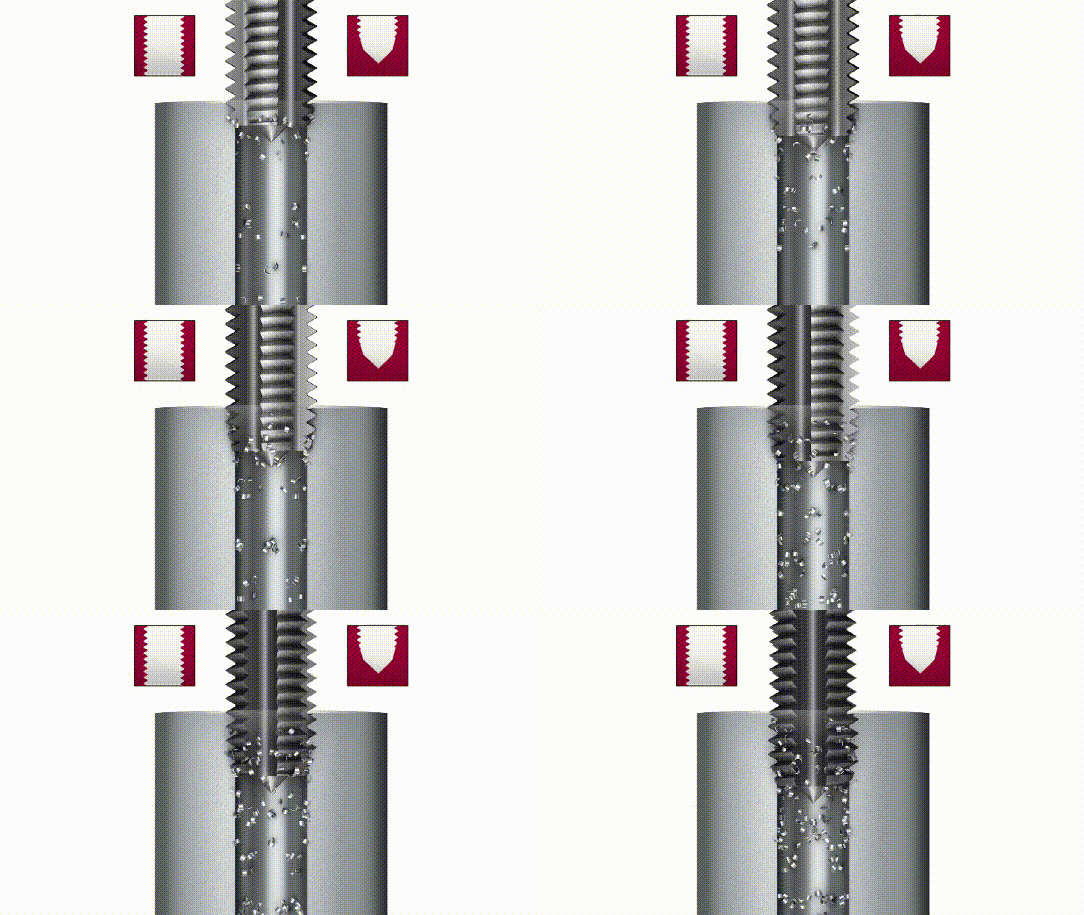
As a general rule, spiral point taps are commonly preferred for through holes, while spiral flute taps are often preferred for blind holes because of their different chip evacuation directions.
For suitable materials, forming taps can be used for both through holes and blind holes because they form threads without producing cutting chips. Straight flute taps remain a versatile option for general applications and short-chipping materials.
Choosing the right combination of tap design and machining conditions can help improve thread quality, reduce the risk of tap breakage, and achieve more stable tapping performance.

Post time: Sep-11-2026


