



Thread Forming Taps: Benefits, Disadvantages and Applications
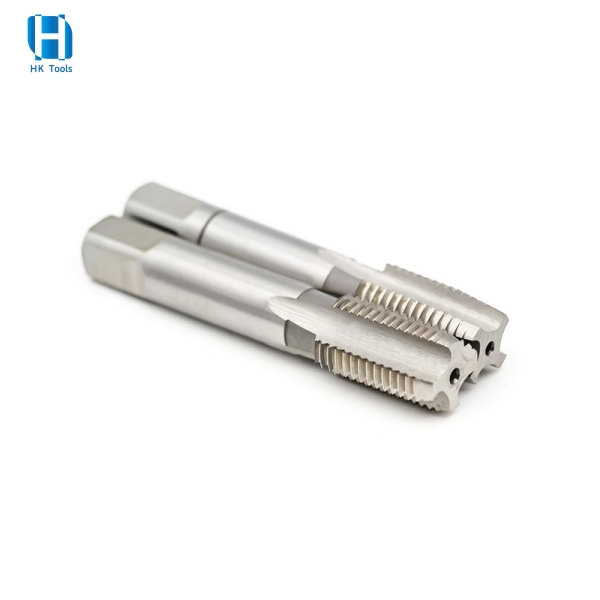
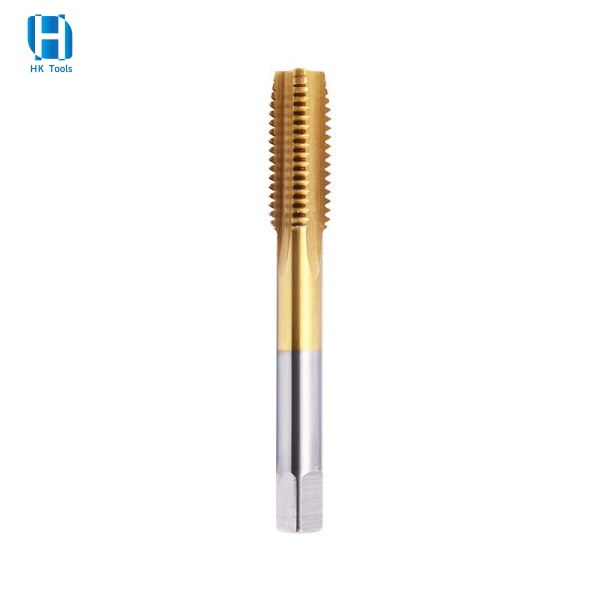
Thread forming taps, also known as roll taps or fluteless taps, create internal threads by displacing material instead of cutting it away. They are widely used for machining ductile materials where chip-free threading and consistent production are important.
Unlike cutting taps, thread forming taps produce no conventional cutting chips. However, they require accurate pilot hole sizing, suitable lubrication, and sufficient machine torque.
This guide explains how thread forming taps work, their advantages and limitations, and how to choose the right tap for your application.
What Is a Thread Forming Tap?
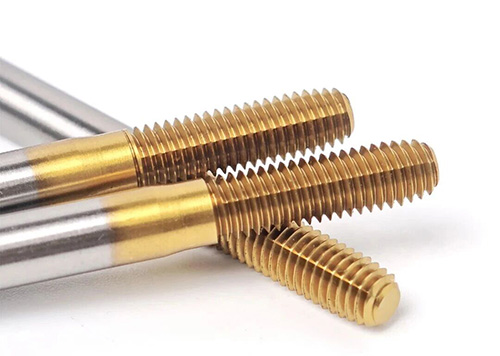
A thread forming tap creates internal threads through cold forming. Its forming lobes press and displace the workpiece material into the required thread profile without removing metal as chips.
Because the process relies on plastic deformation, thread forming taps are mainly suitable for ductile materials such as aluminum, copper, brass, and suitable grades of steel and stainless steel.
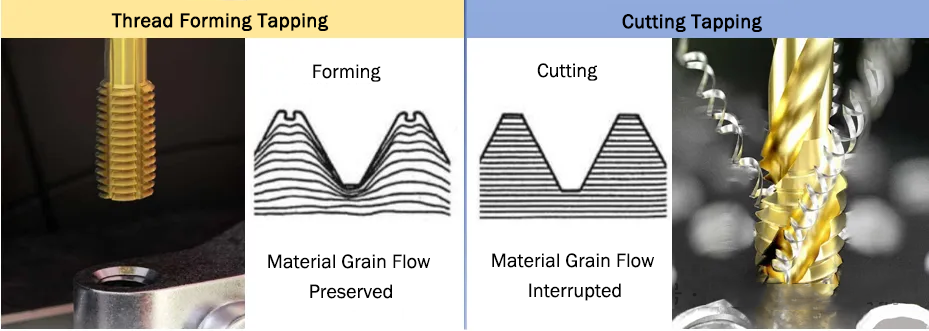
The forming process can produce a smooth thread surface and maintain more continuous grain flow around the thread profile under appropriate conditions.
Thread Forming Taps vs. Cutting Taps
Both tools produce internal threads, but their working principles and application requirements differ.
| Feature | Thread Forming Tap | Cutting Tap |
|---|---|---|
| Working principle | Displaces material | Removes material |
| Chip production | No conventional cutting chips | Produces chips |
| Pilot hole | Generally larger | Generally smaller |
| Tapping torque | Generally higher | Generally lower |
| Material suitability | Ductile materials suitable for forming | A wider range of machinable materials |
| Lubrication | High lubricity is important | Depends on material and application |
| Main advantage | Chip-free threading | Versatile material compatibility |
Thread forming taps are useful when chip management and consistent production are priorities. Cutting taps remain a practical choice for materials that cannot be reliably formed or applications with limited machine torque.
Advantages of Thread Forming Taps
1. Chip-Free Operation
Since thread forming taps displace material rather than cut it, they eliminate conventional tapping chips. This reduces chip evacuation problems, particularly in blind holes, and can simplify automated production.
2. Consistent Thread Quality
With the correct pilot hole size and machining conditions, thread forming taps can produce consistent thread profiles and smooth surfaces.
3. Potential for Longer Tool Life
Thread forming taps have different wear characteristics from cutting taps because they do not remove material through conventional cutting edges. They can offer long tool life in suitable applications, although actual performance depends on the workpiece material, lubrication, hole size, and machining parameters.
4. Potential for Improved Thread Strength
Cold forming can preserve more continuous material grain flow and cause work hardening near the formed surface. These effects may benefit certain thread performance characteristics, depending on the material and application.
Disadvantages and Limitations of Thread Forming Taps
Despite their advantages, thread forming taps are not suitable for every threading application.
1. Limited Material Compatibility
Thread forming requires the workpiece to deform plastically without cracking. Many aluminum alloys, copper, brass, and suitable steel grades can be formed successfully, while brittle materials such as many cast irons are generally unsuitable.
2. Higher Tapping Torque
Thread forming taps generally require more torque than comparable cutting taps because they displace material instead of removing it. The machine, spindle, and tapping attachment must be capable of handling the additional load.
3. Strict Pilot Hole Requirements
Pilot hole diameter directly affects thread formation and tapping torque. A hole that is too small can cause excessive torque or tap breakage, while an oversized hole may result in incomplete threads. Accurate drilling and consistent hole dimensions are essential.
4. Greater Dependence on Lubrication
Material displacement creates considerable friction between the tap and the workpiece. Inadequate lubrication can lead to material adhesion, increased wear, and poor thread surface quality. The lubricant should be selected according to the workpiece material and machining conditions.
5. Not Always the Most Economical Choice
For small production runs, difficult-to-form materials, or machines with limited torque, cutting taps may be a more practical option. The best choice depends on production volume, equipment capability, material properties, and total machining cost.
Which Materials Are Suitable for Thread Forming?
Material ductility is a key factor when selecting a thread forming tap.
▪Aluminum: Many aluminum alloys are suitable, although alloy composition affects formability and tool adhesion.
▪Copper and brass: Many grades can be formed effectively with appropriate tool selection.
▪Carbon steel: Suitable grades can be thread formed when their strength and ductility meet process requirements.
▪Stainless steel: Form tapping is possible with suitable grades, but lubrication and machining conditions require careful control.
Brittle materials and some high-strength materials may not be suitable for conventional thread forming. Always confirm material compatibility before selecting a tap.
How to Choose the Correct Pilot Hole Size
Pilot hole diameter is one of the most important factors in form tapping.
Unlike cutting taps, which remove material to create the thread, thread forming taps need sufficient material around the hole to form the required thread profile.
When determining the correct pilot hole size, consider:
▪Thread diameter and pitch
▪Required thread engagement and tolerance
▪Workpiece material and mechanical properties
▪The tap manufacturer's recommended hole diameter
Do not automatically use a standard cutting tap drill chart for form tapping. Always check the manufacturer's recommended pilot hole range for the specific thread size and material.
Important Factors When Selecting a Thread Forming Tap
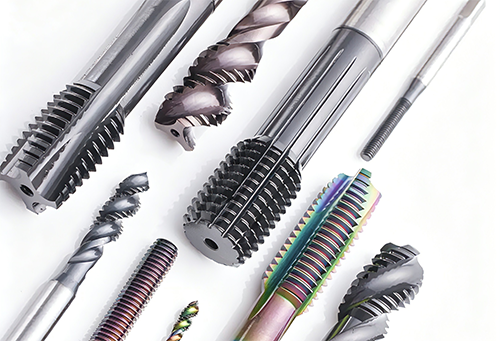
Tap material and coating: Choose a suitable tool material and coating according to the workpiece material and machining conditions. Low-friction surfaces may help reduce adhesion in certain materials, while wear resistance is important in demanding applications.
Lubrication: Use a lubricant or coolant with suitable lubricating properties for the workpiece material. Follow the tap manufacturer's recommendations to help control friction and maintain thread quality.
Machine capability: Ensure that the machine and tapping attachment can provide sufficient torque while maintaining proper tool alignment.
Hole type: Thread forming taps can be used in both through holes and blind holes when the tool design, thread depth, and machining conditions are appropriate.
When Should You Choose a Cutting Tap Instead?
Cutting taps may be the better choice when the workpiece is brittle, the machine cannot provide sufficient torque, or pilot hole dimensions cannot be controlled accurately.
They are also worth considering when the material is unsuitable for plastic deformation or when the application does not justify the additional process controls required for form tapping.
The goal is not to replace every cutting tap with a forming tap, but to select the right tool for each application.
Conclusion
Thread forming taps offer a chip-free method of producing internal threads in suitable ductile materials. They can provide consistent thread quality and efficient production, but they also require higher torque, accurate pilot holes, and effective lubrication.
Understanding both the advantages and limitations of form tapping helps you choose the right threading tool for your material, equipment, and production requirements.
Looking for thread forming taps for your machining applications? Contact HKTools with your thread specifications, workpiece material, and application requirements. Our team can help you identify a suitable solution for your threading operations.
Post time: Oct-16-2026


