



Threading Dies: A Practical Guide for External Thread Cutting & Repair
Threading dies are essential hand tools used to cut or restore external threads on rods, pipes, and bolts.They are widely applied in machining, maintenance, plumbing, and on-site repair—especially where fast, manual threading is required.
As the counterpart to taps (for internal threads), dies remain a reliable solution for both production support and thread repair.
What Is a Threading Die?
A threading die is a hardened cutting tool with internal thread profiles and chip flutes. It is designed to form or re-cut external threads on cylindrical workpieces, helping restore damaged threads or create new ones without replacing the part.
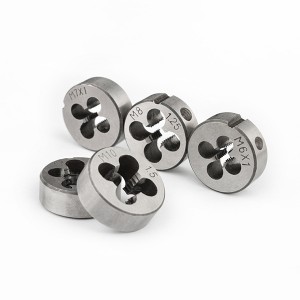
Common Types of Threading Dies
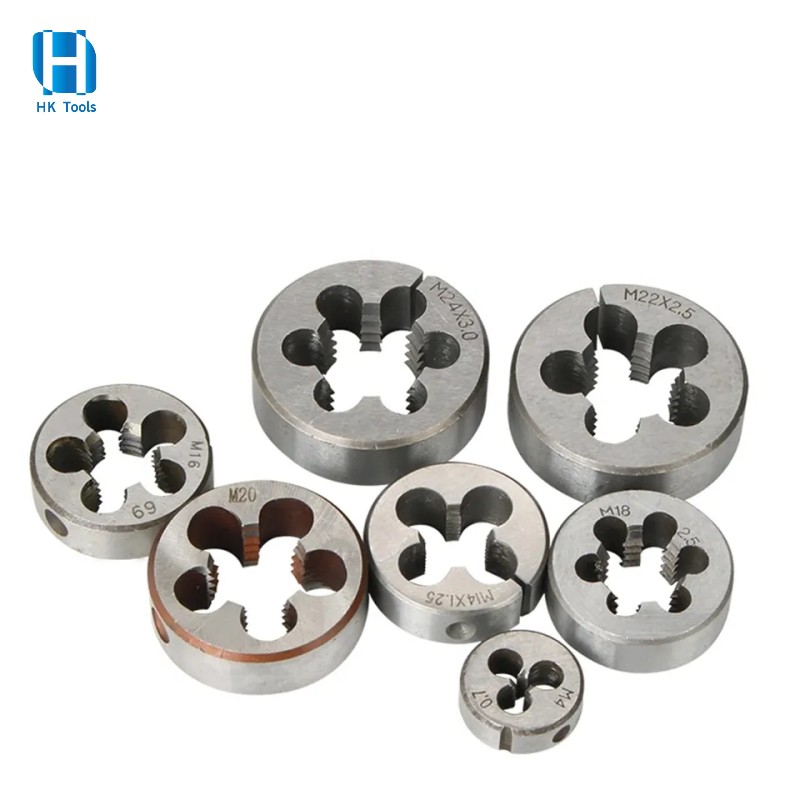
▪Round (Solid) Dies
The most common and economical type. Reliable for general-purpose threading but with limited adjustment once worn.
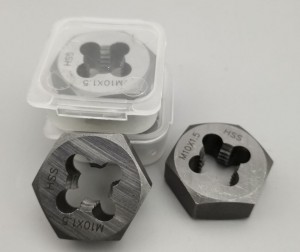
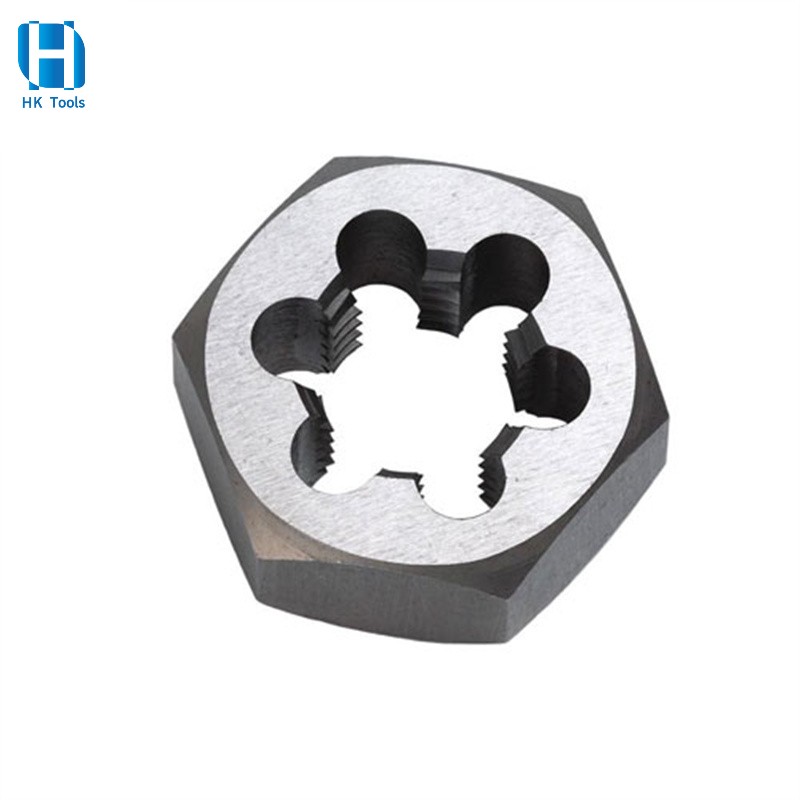
▪Hex Dies
Hexagonal outer shape allows wrench or socket driving. Ideal for quick repair, field maintenance, and applications where a die stock cannot be used.
▪Adjustable / Split Dies
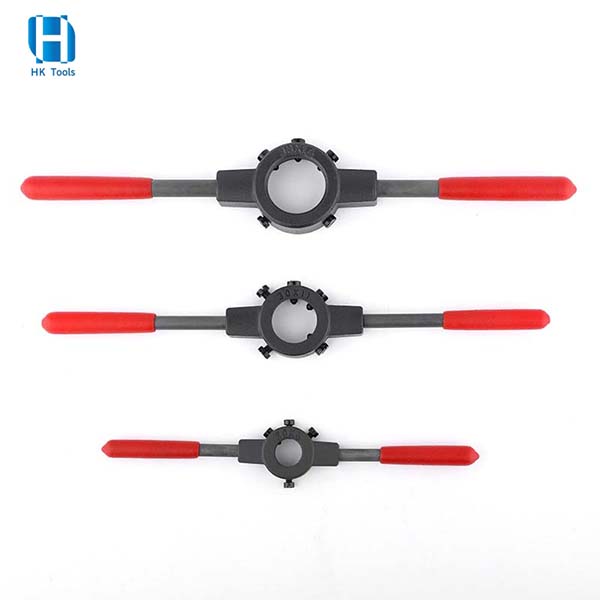
Allow minor diameter adjustment to control thread fit and compensate for wear. For higher precision, they are often mounted in a die holder, which ensures proper alignment and stable operation.
Thread Standards You Should Know
Selecting the correct thread standard is critical. The die must match the thread profile exactly.
▪Metric Threads (M) – Common in global manufacturing
▪Unified Threads (UNC / UNF) – Widely used in North America
▪British Threads (BSW / BSP / G) – Common in piping and fluid systems
▪Pipe Threads (NPT) – Tapered threads designed for sealing applications
Basic Usage Tips
▪Use a blank diameter slightly smaller than the thread’s major diameter
▪Chamfer the workpiece end to help the die start smoothly
▪Apply cutting fluid, especially on steel or stainless steel
▪Turn forward 1–2 rotations, then reverse slightly to break chips
▪Keep the die aligned to avoid damaged threads or chipped edges
Conclusion
Threading dies remain a simple but highly effective tool for external thread cutting and repair. Understanding die types, thread standards, and proper operating practices helps ensure better thread quality and fewer on-site issues.
If you are unsure which thread standard or die type suits your application, professional selection support based on drawings, samples, or usage conditions can help ensure the right choice.
Post time: Jan-30-2026


